Sinaportuguese culture guide: 80 million Old town local tips
A stroll through the colorful streets of Phuket's historic center reveals a unique fusion of architectural styles and cultural heritage. This guide helps you navigate the Sinaportuguese culture guide by understanding the historical layers of the Old Town. You will learn about the essential local culture codes, how to find an authentic way to visit, and how to apply deep culture insight to your journey.
How can you navigate the Sinaportugious culture guide?

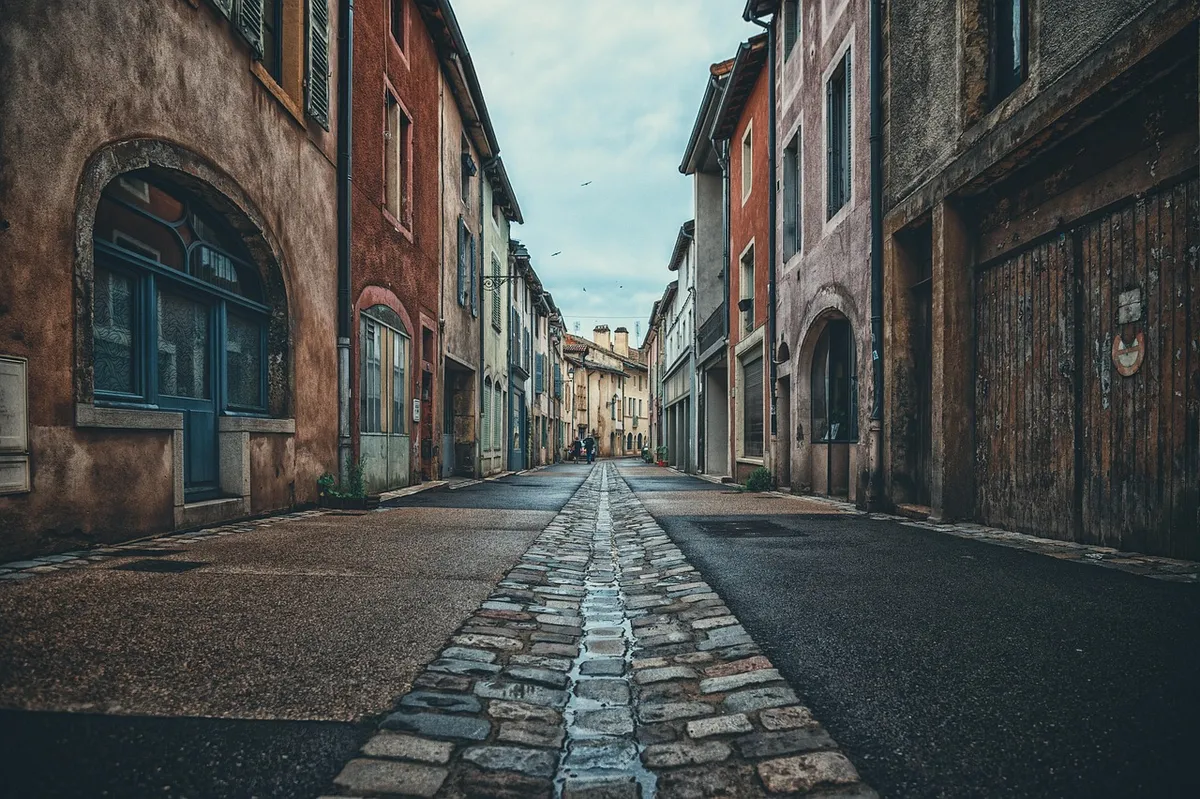
Walking through the narrow alleys of Phuket Old Town, the scent of old wood and spices fills the air while sunlight hits the pastel facades. To master the Sinaportuguese culture guide, one must observe how Sino-Portuguese architecture blends Chinese courtyard styles with European colonial elements.
Visitors often find that the best way to appreciate the heritage is to walk slowly between the brightly colored shophouses.
By recognizing these patterns, you can better appreciate the unique identity of the town.
However, these guidelines may be less effective in highly modernized urban centers where global customs often supersede local traditions.
What are the best local culture codes to follow? Sinaportuguese culture guide
Standing before a heavy timber door, you notice the intricate carvings that tell stories of a bygone era. Following local culture codes means respecting the residential nature of many historic buildings while appreciating their preservation.
An authentic way to visit involves engaging with local shopkeepers and understanding that many of these structures are still active family homes. It is important to maintain a respectful distance from private living quarters while taking photographs.
The blend of traditions remains visible in the small shrines tucked between modern storefronts. Observing these quiet moments of devotion helps visitors connect with the living history of the community.
Note that these social norms may vary significantly depending on the specific generational context of the people you encounter.
According to World Bank, the 2024 record includes 90.9%.
How do you find an authentic way to visit?
A quiet morning walk reveals the true character of the streets before the midday heat arrives. To find an authentic way to visit, visitors should explore the smaller side streets away from the main thoroughfares where the original shophouse layouts are most evident.
Finding hidden gem locations often requires stepping away from the most crowded tourist spots to see how locals live and work. This approach allows for a more genuine connection to the neighborhood's daily rhythm.
I remember sitting in a small courtyard cafe, watching the light change on the patterned floor tiles, which felt like a window into the past. This slower pace is essential for anyone seeking to understand the true spirit of the town.
However, seeking total authenticity can sometimes lead to logistical challenges or discomfort in less developed areas.
What are the essential dining etiquette guide tips?
Sitting at a small wooden table, you watch a waiter serve traditional dishes that have been perfected over generations. Following a dining etiquette guide in these historic eateries often means adapting to local service styles, such as communal seating or specific utensil usage.

Sharing a meal is a central part of the local experience, reflecting the community-oriented roots of the region. It is helpful to be mindful of the space and the shared nature of many traditional dining settings.
| Aspect | Traditional Setting | Modern Cafe |
|---|---|---|
| Seating | Often communal or compact | Individual tables |
| Pace | Slower, social focus | Faster, individual focus |
I found that sitting at a communal table allowed me to observe the natural social flow of the neighborhood.
- Observe the host's actions to understand the pacing of the meal. 2. Wait for the eldest person to begin eating before starting your own meal. 3. Follow the specific utensil usage demonstrated by your dining companions.
How can you apply deep culture insight to your trip?
Looking up at the ornate cornices, you realize that every detail was designed to showcase status and heritage. Applying deep culture insight means looking beyond the surface-level beauty to understand the socio-economic history that built these structures.
The projections indicate the tourism sector will account for 80 million visitors.
According to World Bank data, Thailand recorded international tourist arrivals of 39,916,000 in 2019.
The prosperity brought by the tin industry allowed for the construction of these elaborate buildings, creating a unique visual language. Recognizing this connection helps turn a simple walk into an educational journey.

If you are visiting during a busy festival, the crowds might obscure some of the architectural details.
This approach may be difficult to implement if you are traveling on a very tight schedule with limited time for interaction.
- Understanding these architectural nuances provides a deep culture insight into the island's history of trade and migration.
- The history of the region is deeply tied to the tin mining industry and maritime trade, which brought diverse influences together.
The subject here is Sinaportuguese culture guide.
The same subject is also called Old town local tips.
This part also covers Dress code advice.
Related
- Phuket Sino-Portuguese Tour: Guide to Old Town Treasures
- Phuket Siam Niramit Guide: Technical Marvels Define Landmark
How does the architecture reflect the region's past?
The Sino-Portuguese architecture itself narrates the region's complex past. The blending of Chinese courtyard styles with European colonial elements mirrors the era of intense trade and migration that shaped the island.
This architectural fusion is a physical record of the influences brought by the maritime trade routes and the wealth generated by the tin mining industry.
- The structures stand as monuments to the prosperity derived from the tin trade. 2. Their design showcases the cultural amalgamation of various groups. 3. A stroll through the facades allows one to trace this history visually.
Keep in mind that historical preservation efforts may sometimes obscure the original structural intent of older buildings.
What cautions should visitors keep in mind?
Visitors must approach the town with a mindset of observation rather than mere tourism. The residential reality of many buildings dictates a need for sensitivity regarding private life.
Therefore, maintaining a respectful distance from these living quarters is a necessary caution when taking photographs or observing daily life.
- Observe the quiet moments of devotion in shrines tucked between shops. 2. Recognize that many buildings function as active family dwellings. 3. This awareness aids in experiencing the culture authentically during your stroll.








Comments 0