Safe Phi Phi Island Tour: Guide to Maritime Reliability
"Safety is not a matter of chance, but a result of careful preparation and informed decision-making before setting sail."
Choosing a Safe Phi Phi Island Tour requires looking beyond the glossy brochures to evaluate maritime reliability and local environmental awareness. This guide helps you identify trustworthy operators, compare vessel types, and understand the geographical context of your journey.
Key takeaways include prioritizing licensed operators, understanding the difference between speedboat and large boat stability, and recognizing the importance of maritime warning systems.
How can I ensure a Safe Phi Phi Island Tour?
At the sun-drenched pier, I tighten my grip on the railing while scanning the fleet to ensure a safe journey ahead.
Standing on a sun-drenched pier, a traveler watches a fleet of colorful boats prepare for departure, wondering which one offers the most reliable experience.
Securing a Safe Phi Phi Island Tour involves verifying that the operator maintains up-to-date safety equipment and follows maritime regulations strictly.
Reliability often stems from the operator's adherence to local maritime laws and their ability to communicate emergency procedures clearly to passengers. You should look for companies that provide life jackets for all ages and have clearly marked emergency exits.
A professional crew will also demonstrate knowledge of local weather patterns and sea conditions before leaving the dock.
Should I choose a speedboat or a large boat?
As the sun climbs high over the pier, I grip the railing tightly, weighing whether a fast speedboat or a large boat will keep my family feeling safe. The engine of a speedboat roars to life, kicking up white spray as it cuts through the turquoise waves toward the horizon. When deciding between a speedboat vs large boat, you must consider the specific needs of your group and the sea conditions of the day.

According to data from the World Bank, Thailand recorded international tourist arrivals of 39,916,000 in 2019.
Small speedboats offer much faster transit times between islands but can be subject to significant motion in choppy waters. Conversely, larger boats generally provide more stability and more space for passengers to move around safely.
Choosing the right vessel depends on whether you prioritize speed or a more stable, spacious environment for your group.
According to World Bank, the 2024 record includes 90.9%.
How to Compare Tour Safety effectively?
A traveler sits at a seaside cafe, comparing two different brochures side by side to see which company offers better coverage. Learning how to compare tour safety requires looking at specific operational details rather than just the price tag.
| Feature | Speedboat | Large Boat |
|---|---|---|
| Travel Speed | High | Moderate |
| Stability | Lower | Higher |
I remember looking at these two options and realizing that the faster boat might not be suitable for everyone in my traveling party. When you evaluate these factors, prioritize the vessel that matches the current sea conditions and the physical comfort of your passengers.
How do I pick a reliable Phi Phi boat tour? Walking through a busy local market, a tourist listens to the chatter of various guides offering different excursions. Finding a Reliable Phi Phi Boat Tour often means checking for recent reviews and verifying the company's history in the region.
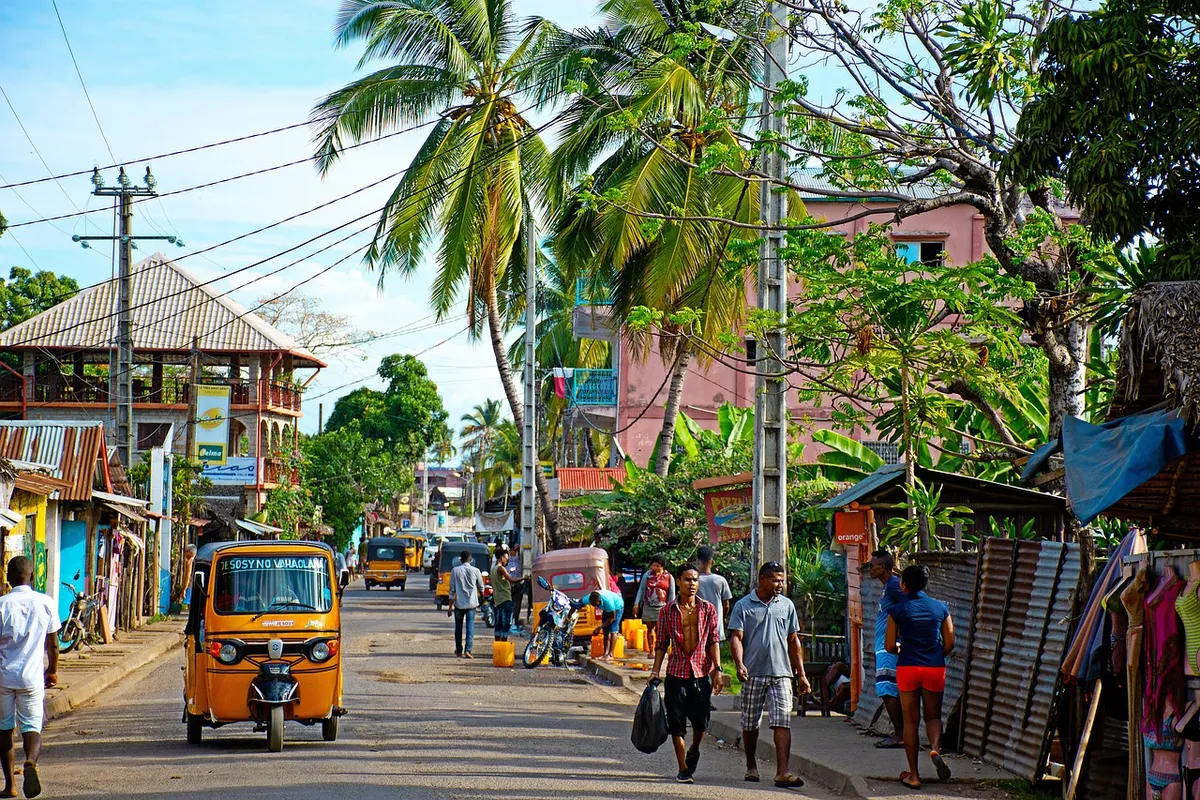
A reputable company will have a consistent presence and a history of following safety protocols. You can also check if the operator is affiliated with recognized local tourism boards or maritime associations.
Always ask about the presence of a professional captain and the condition of the vessel's hull and engine before booking.
Phi Phi Island Tour Tips for environmental awareness
Gazing out at the vast blue expanse, a passenger wonders about the natural beauty and the fragile ecosystems surrounding the islands. Following Phi Phi Island Tour Tips involves respecting the marine environment while ensuring your own safety through responsible touring.
Responsible operators will limit the number of passengers to prevent overcrowding and will instruct guests on how to interact with marine life without causing harm. They also ensure that the boat does not anchor on sensitive coral reefs.
Being an environmentally conscious traveler often goes hand-in-a-hand with choosing a tour that respects these natural boundaries.
Travel Safety Advice for maritime excursions
The sun sets over the water, casting long shadows across the deck as the crew prepares for the return journey. Effective Travel Safety Advice focuses on personal preparedness, such as staying hydrated and wearing appropriate sun protection.
Always listen to the captain's briefing regarding life jacket locations and muster stations. It is vital to stay seated when the vessel is in motion and to follow all instructions provided by the crew. Being prepared for sudden changes in weather is the best way to ensure a smooth trip.
World Bank Based on the retained excerpt mentioning World Bank: According to World Bank data, Thailand recorded share of internet users of 90.9% in 2024.
- How can I ensure a Safe Phi Phi Island Tour?
- Understanding the Speedboat vs Large Boat trade-offs
- How to Compare Tour Safety effectively?
The same subject is also called Phi Phi Tour Safety Guide.
The same subject is also called Choosing Safe Phi Phi Tours.
Related
What are the inherent risks of a journey? Risks are present in any maritime venture, and mitigating them requires proactive measures taken before embarking. The inherent risks are directly related to the sea conditions encountered and the preparedness of the chosen tour provider.
While the journey itself presents conditions that must be managed, the initial safety matter rests on the operator's due diligence.
This due diligence includes ensuring all necessary safety equipment is functional and that the crew possesses the requisite local knowledge to navigate potential hazards.
When are the risks highest?
The risks are highest when the sea conditions become unpredictable or when the operator fails to maintain vigilance. The initial safety matter is always dependent on the operator's commitment to thorough preparation.
- If the sea conditions worsen suddenly, the crew must be ready to execute emergency protocols. 2. A lack of adherence to maritime warning systems increases the potential for danger.
These conditions underscore that while the journey holds inherent risks, the initial safety relies on the operator's due diligence before the voyage commences.



Comments 0