Phuket Travel Guide: Dry vs. Wet Season Weather & Planning
"The difference between a perfect tropical getaway and a washed-out disappointment often comes down to a single calendar date."
Choosing when to fly to Phuket is the most consequential decision you will make for your vacation. Depending on your choice, you will either be swimming in turquoise waters or watching heavy rain lash against your hotel window.
* The Golden Window: November through April offers the most reliable sunshine and calmest seas for island hopping. * The Budget Trade-off: Traveling during the monsoon (May to October) can slash accommodation costs by half but requires flexibility regarding outdoor plans. * Activity Alignment: High-season weather is perfect for diving and snorkeling, while the shoulder season is better for those seeking solitude and lower prices.
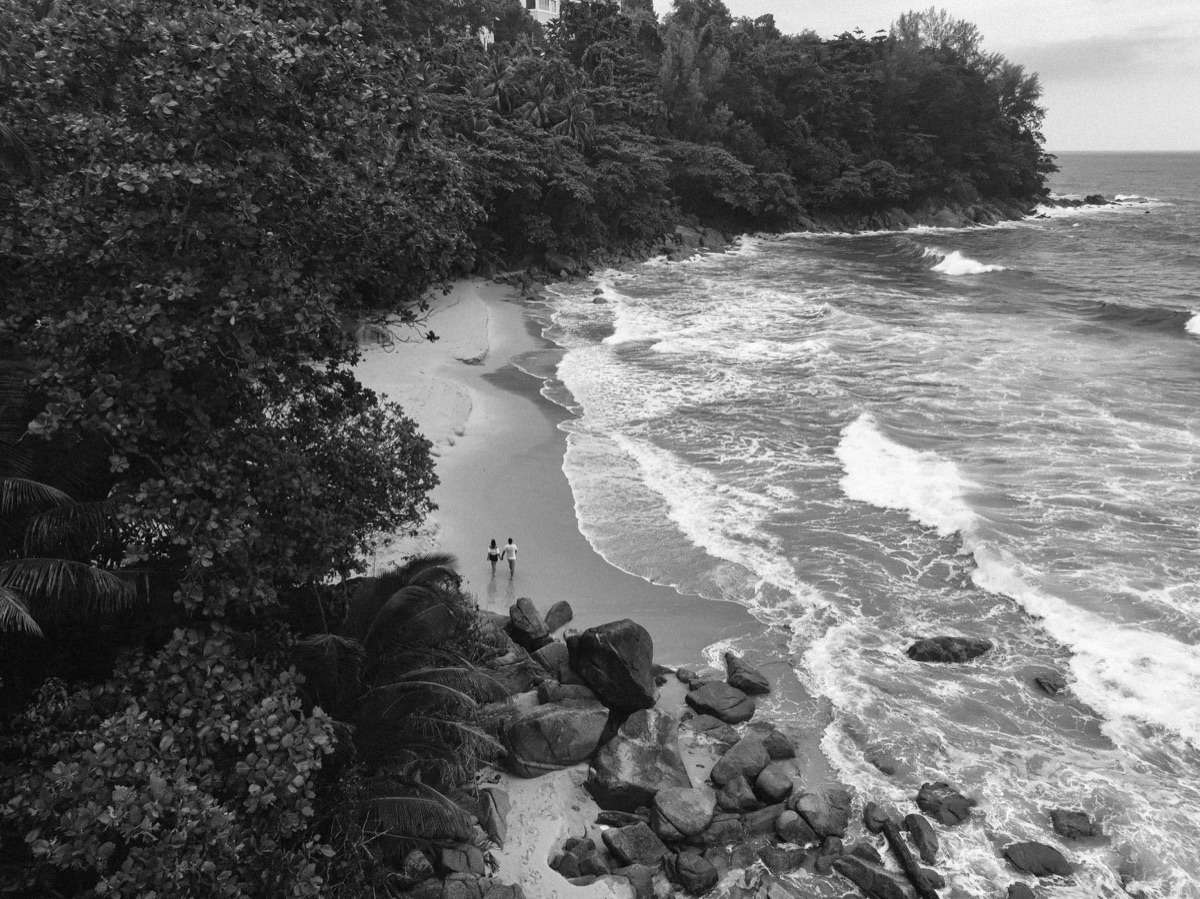
When is the absolute best time to visit Phuket? The sun hits the white sands of Bang Tao Beach at a specific angle during the dry season that makes the water look almost neon. I remember standing on the shore in late January, the air feeling perfectly balmy without the heavy, oppressive humidity that often defines the tropics.
According to World Bank data, Thailand recorded a share of internet users of 90.9% in 2024.
The dry season typically runs from November through April, serving as the peak period for tourism. During this window, the skies are predominantly clear, and the sea remains relatively calm, which is vital for boat transfers to the Phi Phi Islands or the Similan Islands.
According to local climate data, the region typically observes an average annual high temperature around 32 °C (90 °F) and an average annual low around 25 °C (77 °F). While these averages stay somewhat consistent year-round, the dry season lacks the heavy rainfall that can disrupt travel plans.
If your primary goal is underwater exploration or photography, this is your window. The visibility in the Andaman Sea is at its peak during these months, making it the absolute best time for scuba diving and snorkeling.
While the crowds are significantly larger in December and January, the trade-off is a much higher certainty of blue skies.
For those who want the best of both worlds, the "shoulder" months of late April and October can offer a balance of decent weather and slightly lower crowds, though you must remain mindful of shifting wind patterns.
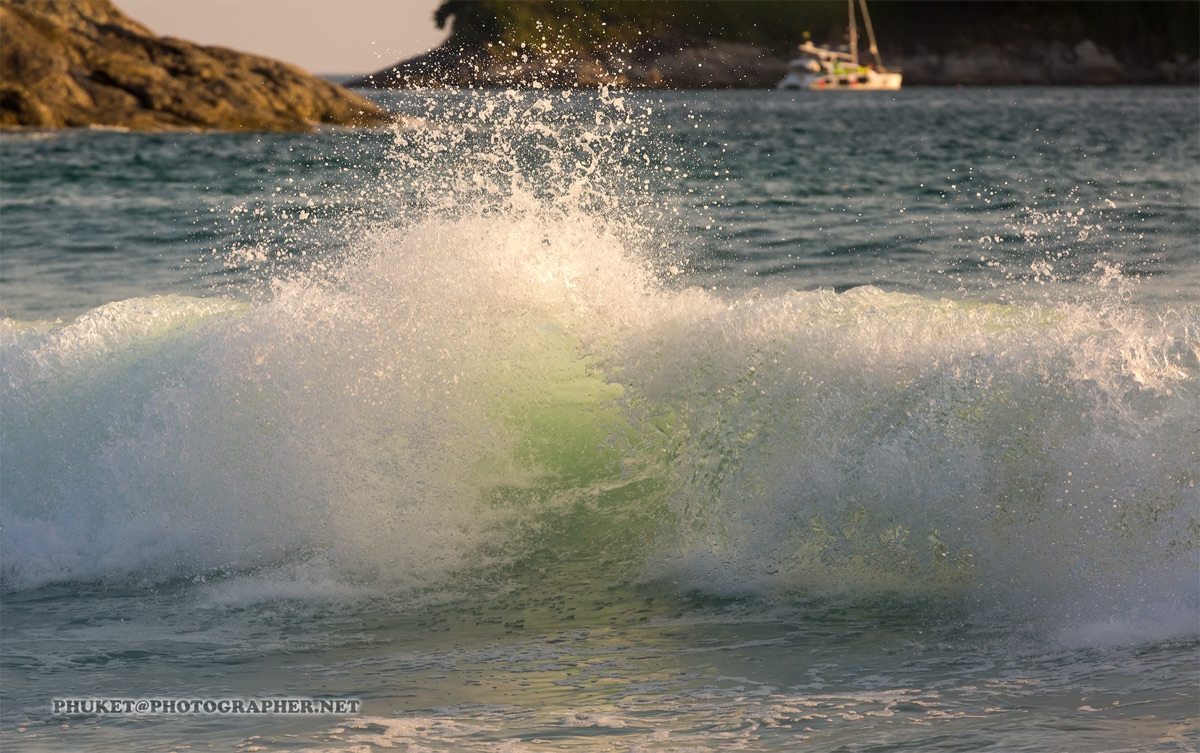
Is it actually worth visiting during the wet season? A sudden, heavy downpour hits the roof of a seaside cafe in Phuket, turning the street into a momentary river within minutes. You sit inside, sipping a cold coconut water, watching the gray clouds roll in from the Andaman Sea.
The monsoon season generally arrives in May and lasts through October. Unlike a constant drizzle, the rain in Phuket often comes in intense, heavy bursts that can last for a few hours before the sun breaks through again.
However, it is important to note that during this time, the sea can become quite rough. The waves can be powerful, and local authorities often fly red flags on beaches to warn swimmers of dangerous rip currents.
Is it worth going during the wet season? If you are a budget-conscious traveler or a digital nomad looking for a quiet place to work, the answer is often yes. You can find luxury villas in areas like Rawai or Kamala for a fraction of their peak-season price.
However, you must manage your expectations. If your entire trip is built around a specific boat tour to the Similan Islands—which are often closed to visitors during the roughest months—you might find yourself stuck in a hotel room.
For those traveling during this time, it is wise to focus on land-based activities, such as visiting the Big Buddha or exploring the colorful streets of Phuket Old Town.
Weather vs. Budget: How Seasonality Impacts Your Trip Costs
The transition from a luxury resort to a boutique guest house often happens the moment the first rain clouds appear on the horizon. I once saw a luxury pool villa in Laguna drop its nightly rate by 60% just because it was the start of the monsoon season.
There is a direct correlation between the weather and your wallet. During the peak dry season, demand for accommodation and flights is at its highest, driving prices up significantly. Booking months in advance is almost mandatory if you want to secure a specific resort or a well-priced flight.
In contrast, the low season offers incredible deals. You can often stay in high-end properties that would otherwise be out of reach, provided you are willing to deal with the possibility of rain.
The economic structure of the region is heavily influenced by this seasonality.
While much of Thailand's broader economy involves manufacturing and exports—which accounted for 28.3% of high-technology manufactured exports in 2024—the local economy of Phuket is deeply tied to the ebb and flow of tourism.
This means that during the low season, some local businesses may close or operate on reduced hours, while during the high season, the sheer volume of visitors can make even the most "budget" spots feel expensive.
Activity Matchmaking: Weather vs. Your Bucket List
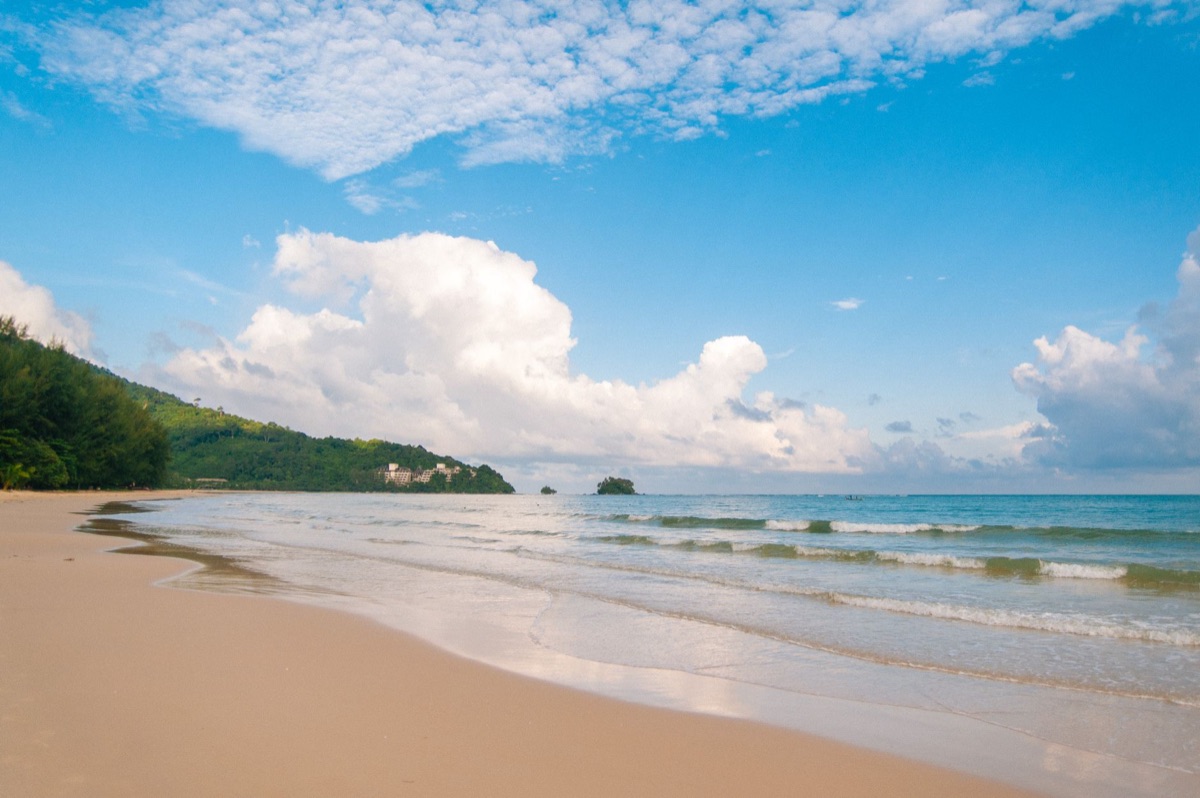
You stand on the deck of a speedboat, the salt spray hitting your face as you head toward the limestone cliffs of Phang Nga Bay. The water is a deep, clear blue, and the visibility is perfect.
Your "bucket list" should dictate your timing. If your dream trip involves deep-sea diving, snorkeling in crystal-clear water, or taking long boat rides to remote islands, you must aim for the dry season (November to April).
The water clarity is essential for seeing the vibrant coral reefs that make Phuket famous.
If your goal is a more relaxed, cultural, or budget-driven immersion, the wet season or shoulder season might suit you better.
For example, visiting the local markets or trekking through the forested areas—which make up about 20.6% of Phuket's total area—can be a unique experience when the landscape is lush and green. However, you must be careful with transportation.
Renting a scooter is a popular way to get around, but riding a scooter in heavy tropical rain can be dangerous due to slippery roads and low visibility. If you are traveling during the wet season, relying on Grab or local taxis is a much safer bet.
Essential Travel Planning Checklist
Packing a suitcase for Phuket requires a strategic approach to both sun and rain. You need to prepare for both the blistering heat and the sudden tropical downpours.
| Feature | Dry Season (Nov–Apr) | Wet Season (May–Oct) |
|---|---|---|
| Primary Goal | Sun, Diving, Island Hopping | Budget, Lush Scenery, Quiet |
| Sea Conditions | Calm, Clear, Great for swimming | Rough, Strong currents, Variable |
| Crowd Level | High | Low |
| Price Level | Premium | Budget-friendly |







Comments 0