Phuket Massage Guide: Find Your Perfect Session Value
"Don't let a luxury price tag fool you into thinking you're getting luxury service, and don't let a cheap price tag trick you into a subpar experience."
Finding the right massage in Phuket is a balancing act between paying for atmosphere and paying for actual skill.
Whether you are walking through the neon-lit streets of Patong or the quiet lanes of Old Town, knowing how to navigate the menu is the difference between a restorative session and a total waste of money.
* Location is your price baseline: Patong prices include a "tourist tax," while local neighborhoods offer much better value for skill. * Service transparency is key: Always confirm the duration and specific inclusions (like oils or hot towels) before you sit down. * Quality over cost: A cheap massage often means a rushed session; a fair price ensures the therapist can focus entirely on your needs.
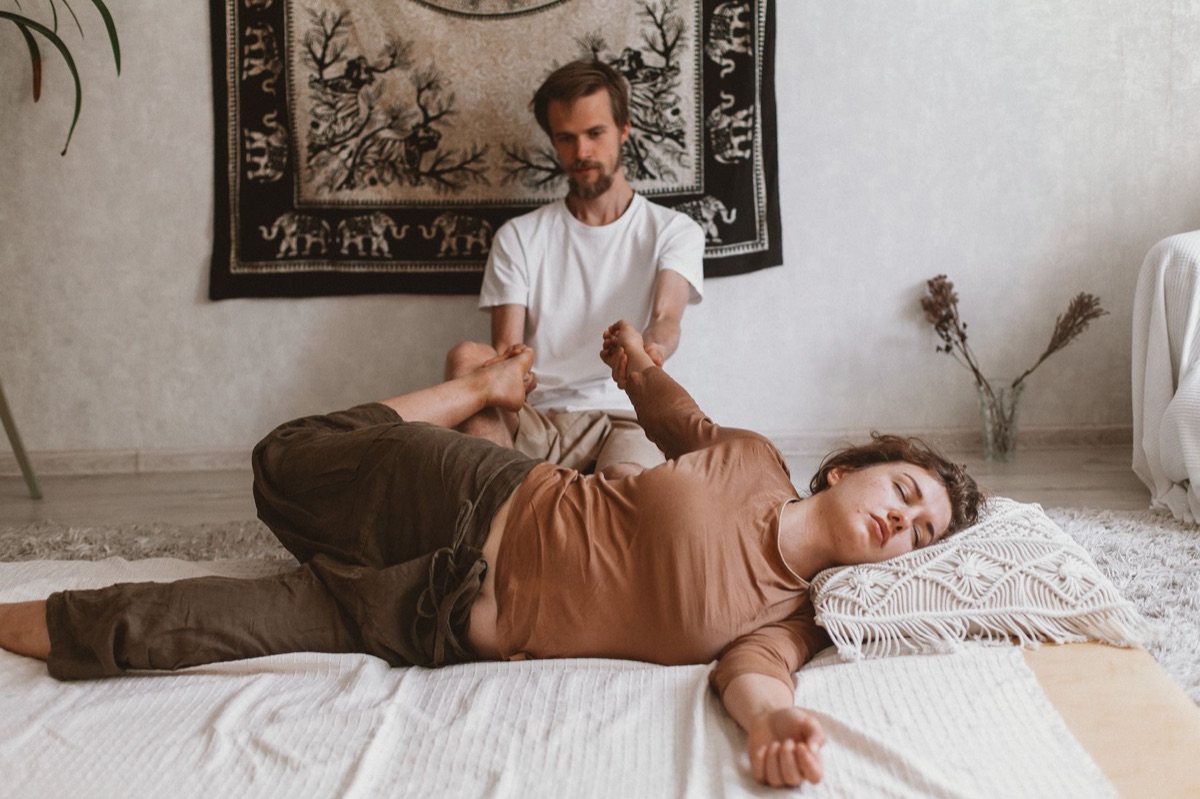
Where to Go: Setting Your Expectations
The sun is setting over Patong Beach on a humid Tuesday in July 2026, and the heat is thick enough to feel on your skin as you walk past a row of brightly lit massage parlors.
You see a sign offering a "one-hour foot massage" for 250 THB, a price that seems almost too low to be real, but the air conditioning is blasting and the chairs look plush.
In Phuket, your location dictates your starting price. If you are in Patong or near the beachfront in Bangtao, you are paying for the prime real estate and the convenience of being in a high-traffic tourist hub.
In July 2026, a standard 60-minute massage in these zones might cost 600 THB, whereas in a residential area like Kathu, that same hour might only be 350 THB.
Walk-in versus appointment-based establishments also represent two different worlds. Walk-in shops are often designed for quick, high-turnover service—perfect for a 30-minute foot rub after walking through the Sunday Walking Street Market.
Appointment-based spas are designed for deep relaxation and usually require a commitment to a longer session. If you want a transformative experience, look for the appointment-based spots that cater to a mix of locals and long-term travelers.
The distinction between mass-tourism shops and local-centric spots is easy to spot if you look at the clientele. If every single person in the shop is a traveler with a backpack, you are likely in a high-markup zone.
If you see local Thais entering the shop, you have likely found a place where the skill-to-price ratio is much higher. But even in a high-end spa, you might find yourself confused by the menu.
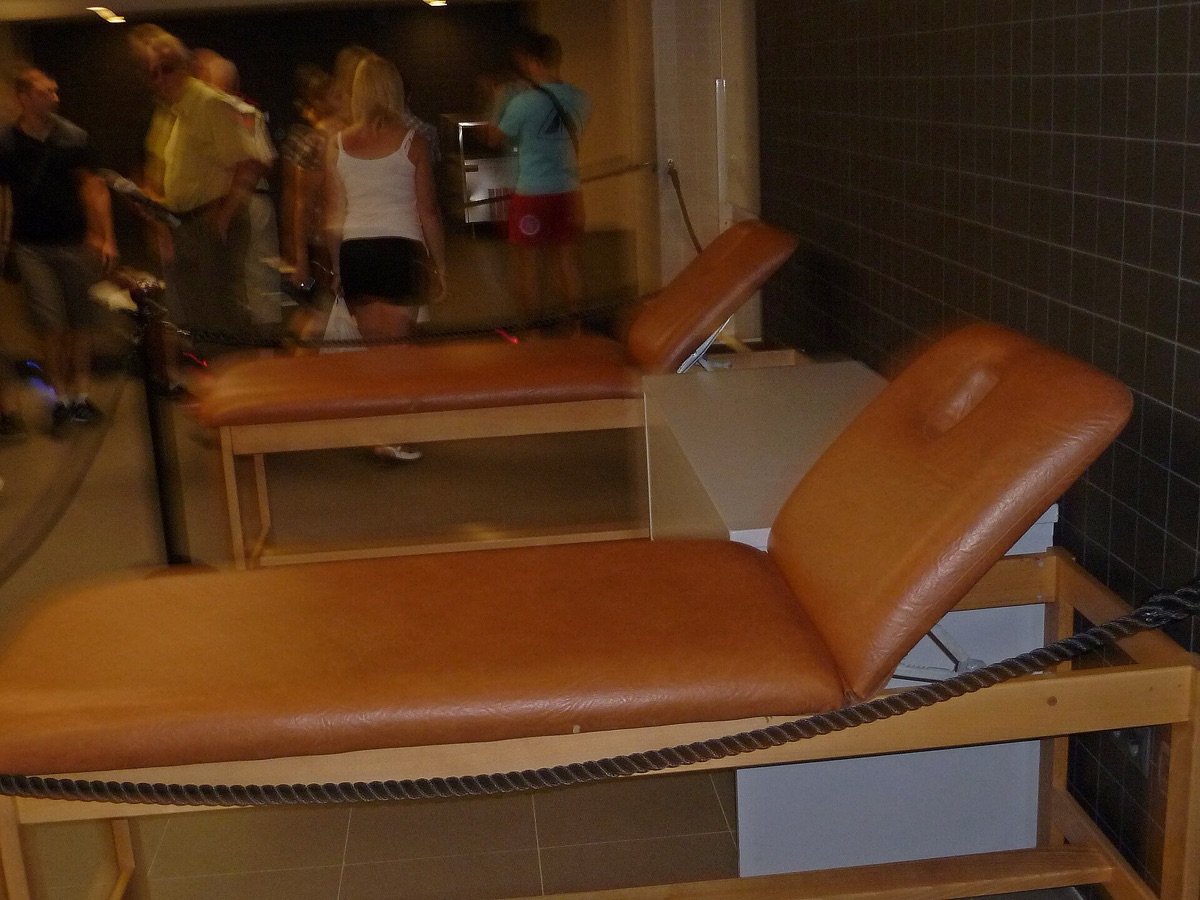
Decoding the Menu: What You Are Actually Paying For
You sit down in a dim, jasmine-scented room in Phuket Town, and the therapist hands you a printed menu with various combinations of oils, scrubs, and pressures.
You wonder if the "Premium Aromatherapy" at 1,200 THB is truly different from the "Standard Oil Massage" at 600 THB, or if it's just a clever way to upcharge.
Understanding the menu is about distinguishing between the technique and the "extras." A standard deep tissue massage focuses on muscle manipulation, while a relaxation massage focuses on soothing the nervous system.
Often, the price difference lies in the products used—high-end essential oils versus basic mineral oil—and the complexity of the ritual. In some luxury wellness settings, you might encounter much more intense thermal treatments.
For example, historical wellness traditions sometimes involved entering rooms of circulating, 140 °F (60 °C) hot air for 20 minutes, followed by a ten-minute stay in a room with 150 °F (66 °C) temperature, or even a 154 °F (68 °C) vapor bath.
While modern Phuket spas usually stick to much milder heat, such as hot stones or warm towels, understanding that "wellness" can involve extreme temperature shifts helps you realize why some premium packages are priced so much higher.
Be wary of "add-ons" that aren't clearly defined. If a menu lists a "signature ritual," ask exactly what it entails. Does it include a scrub? A specific type of hot towel wrap?
In some traditional settings, attendants might rub bathers down with warm towels and wrap them in sheets and blankets to rest for 20 minutes after a treatment. If you are paying a premium, you should expect these thoughtful, restorative details.
However, knowing what to pay is only half the battle; you also need to know how to handle the transaction.
The Art of Negotiation: Securing a Fair Price
You stand at the entrance of a small, clean shop in Phuket Town, looking at a handwritten sign that lists prices in Thai Baht. You want a 90-minute massage, but you aren't sure if the price listed is the final amount you will pay at the front desk.
Establishing a baseline is your first line of defense. Before you even sit down, you should know the going rate for your specific area. In 2026, if you are in a quiet neighborhood, a 60-minute massage should be significantly cheaper than in a luxury resort.
If a price seems suspiciously low—for example, a full-body massage for 150 THB—be cautious. It often means the service will be rushed or the facility is subpar.
Negotiation in Thailand is a delicate dance. It is rarely about haggling over a single baht like you might at a wet market; instead, it is about clarifying the total cost. If you are booking a package of three massages, you can often negotiate a better rate.
Always confirm the total price *before* the session begins. A polite, "Is this the total price including the service charge?" can prevent a nasty surprise when you go to pay.
Never enter a transaction without a clear understanding of the service. If you agree to a 90-minute session, ensure the price reflects that specific duration. If you are unsure, ask the receptionist to clarify the price per minute or the total for the specific service you have chosen.
But once you are in the chair, how do you know if you're actually getting what you paid for?
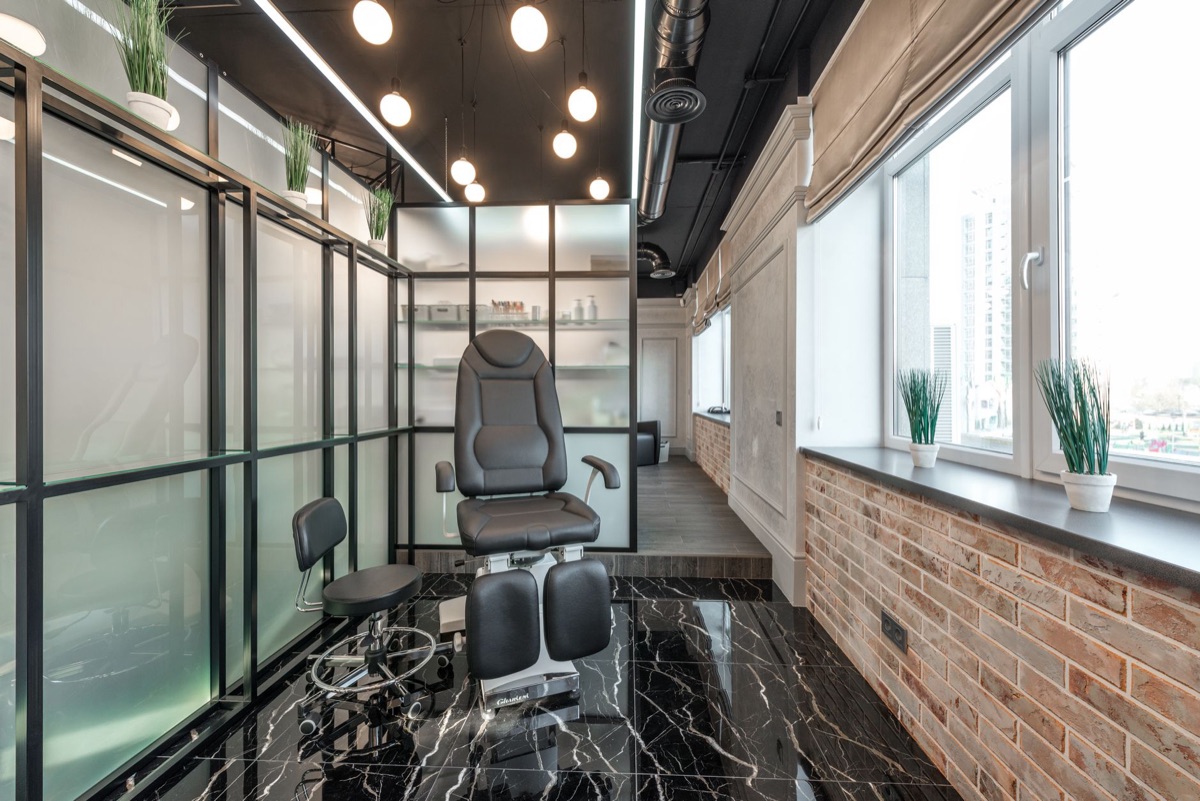
Quality Control: Beyond the Price Tag
The massage begins, and the therapist's hands are firm, but you notice they are looking at the clock every ten minutes. You start to wonder if you are getting a full session or if they are just going through the motions to finish early.
Genuine skill is often found in the rhythm and the way a therapist listens to your body. A skilled therapist doesn't just follow a script; they adjust pressure based on your muscle tension.
If a massage feels like a "quick fix"—just a surface-level rub designed to get you out of the chair—it is likely a low-quality establishment. A restorative session should leave you feeling physically lighter and mentally calm, not just "done."
Watch the details of the environment. Are the linens clean and fresh? Is the oil high quality, or does it feel like cheap, heavy grease? In high-end wellness, the transition between treatments is seamless.
For example, after a heat-based treatment, a professional setting will often involve attendants using warm towels to prepare your skin for the next step. If the transition is messy or the towels are damp/cold, the quality of service is likely low regardless of the price.
After the session, do a quick "experience audit." Did you receive the full duration you paid for? If you paid for 90 minutes but the therapist finished in 60, you must address this politely before leaving. A quality establishment will always honor the time you purchased.
This brings us to the practical side of planning your wellness.
Pro-Tips for the Savvy Traveler
You sit at a seaside cafe in Rawai, scrolling through your phone, looking at a map of Phuket and a list of highly-rated spas you've bookmarked. You realize that the best way to travel is to have a plan, but also the flexibility to change it.
| Feature | Local Street Massage | Mid-Range Boutique Spa | Luxury Resort Spa |
|---|---|---|---|
| Price Point | Low (150–300 THB) | Moderate (500–1,200 THB) | High (2,500+ THB) |
| Atmosphere | Casual/Open-air | Quiet/Air-conditioned | Immersive/Private |
| Best For | Quick foot rubs | Deep tissue/Relaxation | Full-day wellness retreats |
| Service Type | High turnover | Appointment-based | Highly customized |
To get the most out of your time, follow these strategic steps:
- Research the neighborhood first: Use your first day in July 2026 to scout local shops. If you find a place you love, book it for your final days.
- Book in advance for premium spots: If you find a boutique spa with great reviews, don't walk in expecting a slot. Call or message them via social media to secure a time.
- Time your visits: Avoid the "rush hour" of massage shops. Mid-morning or mid-afternoon on weekdays usually offers the most attentive service, as the shops are less crowded.
- Use local knowledge: Ask your hotel staff or a local driver—not just other tourists—for recommendations. They often know the hidden gems that aren't on the first page of search results.
When I tried this in my own travels, I found that visiting a shop at 10:30 AM on a Tuesday yielded much more focused attention than a crowded 7:00 PM slot.
*Note: These tips apply to standard wellness experiences. They may not apply to medical-grade physiotherapy or specialized spa treatments that require specific health screenings.*
#








Comments 0