Phuket Life: Beyond Vacation, Finding Island Rhythm Now
"Living in Phuket isn't about finding the perfect cocktail; it's about finding the rhythm of the island."
Transitioning from a week-long vacation to a long-term residency requires a fundamental shift in how you view time, space, and community. It is the move from being a spectator of the scenery to becoming a participant in the local pulse.
Key Takeaways: * True immersion means trading the "vacation checklist" for community engagement and local market routines. * Choosing a base camp requires matching your personality to the specific social density of neighborhoods like Bangtao or Kata.
* Success in long-term living relies on understanding the seasonal shifts and the practicalities of local transportation and food.
Why Locals Stay: The Allure of Phuket Beyond the Beach Club
At dawn, the salty breeze brushes against my skin as I watch a vendor stack vibrant fruit in the quiet morning light.
The sun is just beginning to crest over the hills of the Phuket mountain range at 6:15 AM, casting long shadows across the road as a local vendor sets up a stall of fresh dragon fruit. In the tourist mindset, this is just a beautiful sunrise to capture on a smartphone.
According to World Bank data, Thailand recorded international tourist arrivals of 39,916,000 in 2019.
For a resident, this is the start of a logistical dance—the rhythm of a life being lived.
While the sheer scale of travel is massive, there is a vast difference between visiting a destination and inhabiting it. The transient visitor sees the beach clubs and the neon lights of Patong as the primary attraction.
However, those who choose to stay find their own reasons in the deep-rooted culture and the ability to integrate into a multifaceted society.
Staying long-term means moving away from the high-octane energy of "vacation mode." It is about finding a sense of belonging in the local markets and understanding that the island is more than just a backdrop for photos.
The transition involves moving from a consumer of experiences to a member of a community.
But how do you actually pick a place to call home when the options are so overwhelming?

Where should I live to feel like a local? I remember standing at a crossroads in Kathu in late 2024, looking at a map and wondering why anyone would choose the quiet outskirts over the bright lights of the coast.
It took living through a full monsoon season in 2025 to realize that the "best" area is entirely subjective to your lifestyle needs.
When you are looking at long-term living, you cannot judge an area by its Instagrammability alone. You have to look at the infrastructure, the grocery access, and the social density.
| Area | Vibe/Personality | Best For... |
|---|---|---|
| Patong | High energy, loud, constant movement | Social butterflies and those who never want to sleep |
| Kata/Karon | Balanced, family-friendly, surf-centric | Surfers and travelers seeking a mix of activity and chill |
| Bangtao | Upscale, spacious, resort-style living | Long-term expats and those seeking luxury/quiet mix |
| Rawai/Nai Harn | Laid-back, coastal, community-focused | Digital nomads and those wanting a slower, local feel |
For a resident, the choice is between the convenience of the city and the peace of the periphery. In Patong, you are in the heart of the action, but you deal with constant noise and traffic. In areas like Bangtao, you find a more structured, upscale environment that feels more like a permanent home.
Long-term rentals are often negotiated differently than short-term tourist stays, usually requiring a commitment of 12 months or more to secure much better rates and more authentic housing options.
In 2026, finding a lease that offers both privacy and accessibility requires knowing exactly what you want to sacrifice.
But once you have a roof over your head, how do you handle the day-to-day grind?
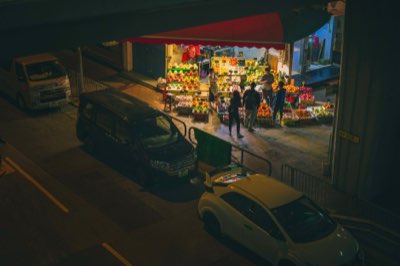
How can I make Phuket feel like home? Walking through a local wet market at 6:30 AM, the smell of fresh herbs and saltwater fills the air, and you realize that the "real" Phuket doesn't happen in the air-conditioned malls. It happens in the humidity of the morning markets.
To live like a local, you must master the logistics of daily life. In the tourist world, you might take a private car everywhere. In the resident world, you learn the nuances of transportation and food sourcing.
Transportation Reality The gap between tourist pricing and local pricing is significant. While a tourist might call a private driver for a single trip, a single ride can cost 600 THB. A resident learns the geography of the island to minimize travel.
Using apps like Grab is common, but understanding the local Tuk-Tuk routes and knowing how to negotiate a fair price is essential for staying within a realistic budget.
The Food Scene Deep Dive Moving beyond the "tourist menus" is the most rewarding part of the transition. A resident knows that the best spicy basil pork or the freshest seafood isn't always in a restaurant with an English-only menu.
It is often in the small, family-run stalls where the menu is handwritten. Learning to navigate these local haunts is how you find quality at a fraction of the price.
Cost of Living Adjustments Living in Phuket can be expensive if you stick to the tourist circuit. In 2026, a meal at a high-end seaside restaurant might cost 1,200 THB per person, whereas a local stall offers a full meal for 60 THB. To make it affordable, you must embrace the local economy.
This means shopping at local markets rather than high-end supermarkets and understanding that prices can fluctuate based on your location and the time of day.
Haggling is a social skill; it is not just about saving money, but about understanding the value of the goods and the relationship with the vendor. However, knowing how to shop is only half the battle; you also need to know how to live through the changing seasons.
Beyond Sightseeing: Embracing the Local Rhythm
I once spent an entire afternoon sitting in a small, shaded cafe in Old Town in mid-2025, watching the rain fall on the Sino-Portuguese architecture, and realized I hadn't checked my "must-see" list once. That was the moment I truly started living in Phuket.
The tourist rush is driven by a desire to "see everything." The local rhythm is driven by the desire to "experience something."
* Authentic Engagement: Instead of rushing to the next famous viewpoint, participate in local festivals like Loy Krathong or observe the community during traditional ceremonies. * Pace of Life: Understand that things move slower in the heat. In the afternoon, the island often takes a breath. Do not fight the heat; work around it. * Respecting Customs: Integration requires an understanding of local etiquette. Respecting the quiet of temples and the social norms of the community is the key to being welcomed.
If you can master this rhythm, you can navigate the practicalities of staying long-term.
Navigating the Ecosystem: Practicalities for Long-Term Stay
Setting up a life involves more than just finding a house; it involves navigating the bureaucracy of residency, utilities, and the local economy. It is a process of building a foundation.
When you move from a visitor to a resident, you deal with the realities of electricity, water, and internet stability. In Thailand, where internet usage is incredibly high, having a reliable connection is a baseline necessity for anyone working remotely.
You also have to understand the local economy's pulse—how businesses react to the high season versus the low season.
To successfully transition, follow this checklist:
- Secure a long-term lease: Negotiate a minimum of 6 to 12 months to lock in lower monthly rates.
- Set up local utilities: Ensure you understand how to pay electricity and water bills through local apps or service centers.
- Establish a transportation routine: Identify your primary mode of travel, whether it is a scooter rental or a regular driver.
- Find your local hubs: Identify your neighborhood market, your preferred pharmacy, and your go-to grocery store.
- Build a social network: Join local community groups to stay informed about local news and events.
Safety and integration are two sides of the same coin. A resident is someone who knows which streets to avoid during a heavy downpour and which neighbors to call when a problem arises. It is about building a network of trust.
#



Comments 0