547 Sq Mi Journey: Siam Naramit's Diverse Thai Immersion
"A single destination that captures the spirit of a nation within a modern footprint."
Siam Naramit stands as a massive cultural playground designed to condense the diverse beauty of Thailand into a single, walkable complex.
For travelers looking to transition from the sandy shores of Patong or Kata to a more structured, immersive environment, this park offers a curated look at Thai heritage.
* Siam Naramit acts as a large-scale cultural hub, merging traditional aesthetics with modern entertainment infrastructure. * The complex is designed to handle high visitor volumes through a most strategic layout of themed zones. * It serves as a bridge between casual beach tourism and deep cultural exploration within the Phuket travel ecosystem.
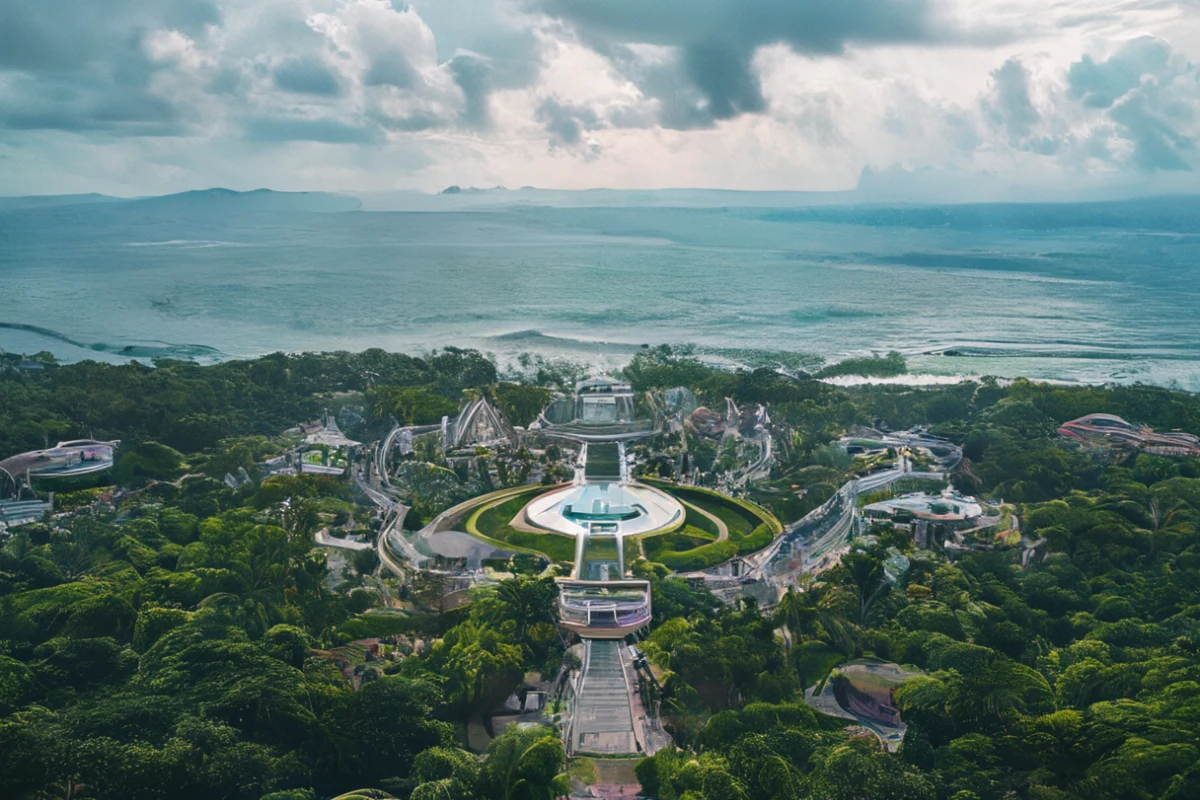
What is Siam Naramit and Why is its Scale Significant?
The sun beats down on the paved entrance at 10:30 AM as a group of travelers steps through the gates, eyes widening at the sudden transition from the coastal heat to a sprawling, meticulously designed landscape.
According to World Bank data, Thailand recorded a share of internet users of 90.9% in 2024.
I remember walking through those gates for the first time in 2025; the sheer transition from the humid street to the organized grandeur of the plaza felt like stepping into a different dimension.
This is the reality of visiting a "mega-complex"—a term often used in Southeast Asian tourism to describe large-scale developments that consolidate various attractions into one footprint.
Siam Naramit is not just a park; it is a cultural and entertainment complex designed to represent the various facets of Thai life.
In a province like Phuket, which covers an area of 547 km2 (211 sq mi), visitors often find themselves moving between vastly different environments, from the bustling streets of Phuket Town to the quiet shores of Bang Tao.
This park attempts to bring that diversity into a controlled, manageable setting. The significance of its scale lies in its ability to function as a microcosm. While a beach visit offers a natural experience, a complex like this offers a curated one.
It integrates dining, retail, and performance spaces, allowing visitors to experience a "greatest hits" version of Thai culture without leaving the vicinity of the main tourist hubs. This consolidation is a response to the modern traveler's desire for efficiency and variety within a single trip.
But how do they manage to make such a massive space feel cohesive?
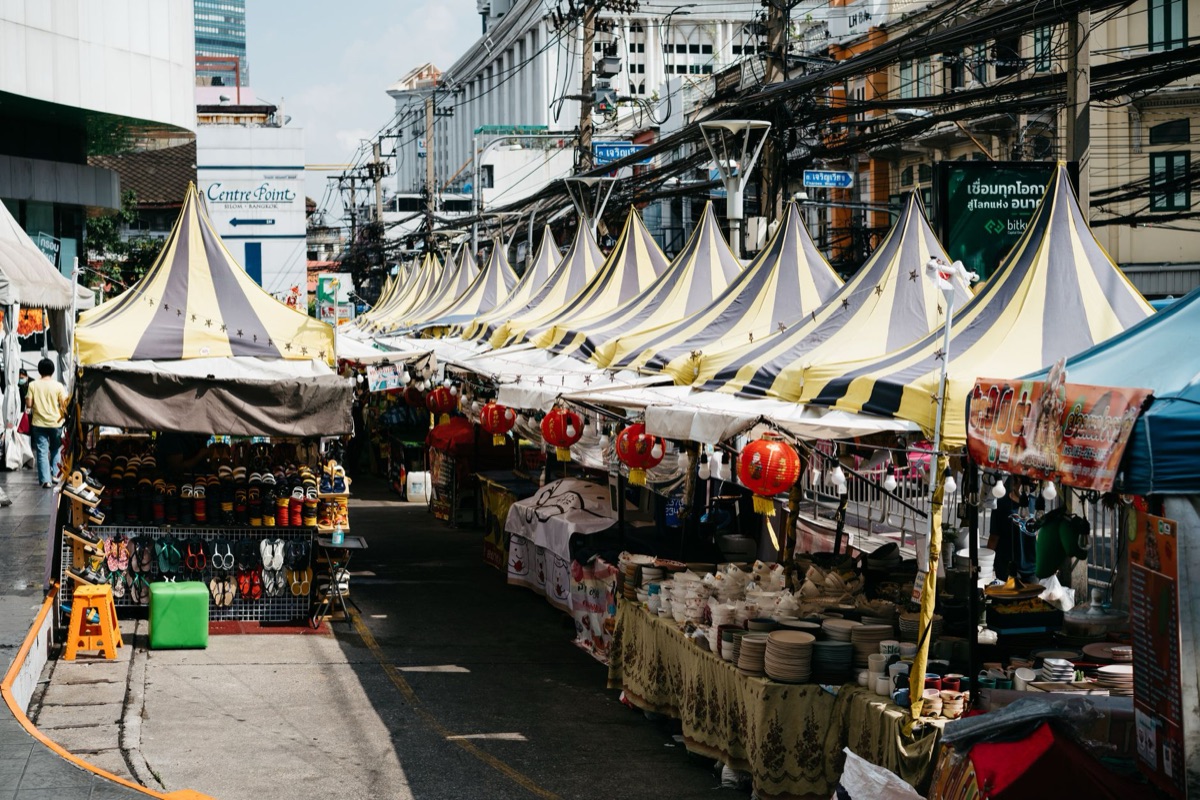
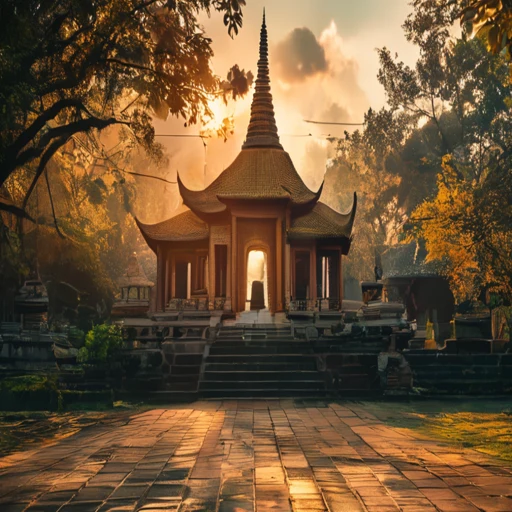
How does tradition meet modern design? Walking through the central plaza at 2:00 PM, the smell of incense mixes with the sight of sweeping, tiered roofs that mimic the elegant silhouettes of traditional Thai temples.
The architecture is a deliberate blend of historical motifs and contemporary engineering, designed to evoke a sense of place while maintaining the durability required for a high-traffic attraction.
The "thematic" quality of the park is its defining architectural feature. It is not merely decorative; the design informs how visitors move through the space.
For example, the use of traditional gable roofs and intricate woodwork is scaled up to meet modern construction standards, ensuring that the structures can can handle large crowds while still looking authentic to the casual observer.
The layout is designed for high-volume throughput. Unlike a traditional temple or a local market where foot traffic might be organic and winding, the architecture here guides visitors through specific zones.
This ensures that the "story" of the park—the transition from one cultural era to another—is maintained even as thousands of people move through the gates daily.
While the visual impact is immediate, the way the facilities function is where the real complexity lies.
What lies beneath the surface of the facility? A family sits at a large wooden table in a shaded pavilion at 1:15 PM, plates of steaming Pad Thai and mango sticky rice spread before them, as they take a momentary break from the walking tour.
This scene is common within the park, where the scale of the facilities is designed to support various group dynamics simultaneously.
The variety of facilities within the complex is extensive. It includes large-scale performance stages for traditional dance, expansive dining halls, and retail areas that mimic local markets. This variety is essential for maintaining the "all-in-one" concept that modern tourists value.
It allows a group to transition from a morning of cultural viewing to an afternoon of shopping and dining without needing to arrange external transportation.
Operationally, maintaining such a large-scale attraction requires a sophisticated logistical flow.
The park must manage different visitor speeds—families with children often move slower and require more seating and restroom access, while younger groups might move more quickly between performance zones.
The architecture addresses this by providing wide thoroughfares and clearly defined transition zones between the loud, active areas and the quieter, contemplative spaces. However, understanding how this fits into a larger trip is where many travelers struggle.
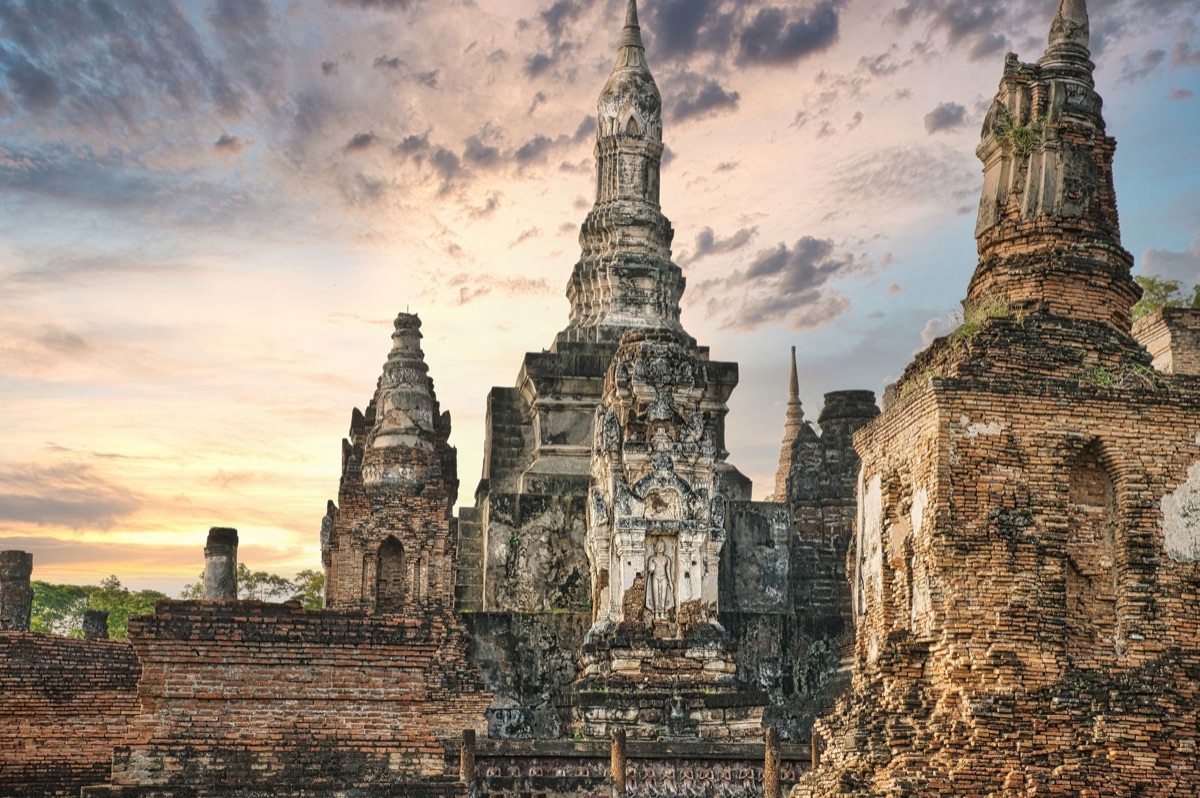
Siam Naramit vs. The Phuket Tourist Ecosystem
The hum of a long-tail boat engine fades into the background as a traveler sits in a quiet cafe in Phuket Town, reflecting on the difference between the wild beauty of the Phi Phi Islands and the structured elegance of the park.
This contrast is central to understanding how Siam Naramit fits into the broader Phuket travel matrix.
In the context of Phuket, visitors often balance two types of travel: the "natural" experience (beaches, islands, and trekking) and the "cultural" experience (temples, old towns, and local markets). Siam Naramit occupies a unique space in this ecosystem.
It is not a replacement for the authentic culture found in Phuket Old Town or the spiritual atmosphere of Wat Chalong, but rather a way to experience those elements in a highly accessible format.
While local markets provide a raw, organic look at Thai life, this park provides a polished version. For many, this serves as an entry point. It introduces the visual language of Thai architecture and tradition to those who might not have the time or inclination to travel to more remote provinces.
It acts as a cultural primer within the regional tourism economy, often serving as a centerpiece for group tours or family excursions. But who is this experience actually designed for?
Visitor Experience Mapping: Who is Siam Namiit For?
A group of friends laughs as they pose for a photo in front of a massive, gold-leafed statue at 4:30 PM, capturing a moment of shared discovery before heading to the next attraction.
Depending on the traveler's goals, the experience of the park can shift from a quick photo opportunity to a full-day immersion.
The target audience for Siam Naramit is broad. For mass tourists looking for a convenient way to see "the best of Thailand" in a single afternoon, the scale and variety are perfect. For those seeking deep, academic cultural immersion, the park may feel too curated.
However, for families and large tour groups, the ease of access and the variety of amenities make it a highly practical choice.
To maximize the visit, travelers should follow a structured approach to navigate the scale effectively.
How to Plan Your Visit
- Check the Performance Schedule: Upon arrival, immediately locate the stage schedule to ensure you don't miss the main cultural shows.
- Time Your Meals: To avoid the 12:30 PM rush, aim to eat lunch by 11:30 AM or wait until 2:00 PM to secure a table in the shaded pavilions.
- Hydration and Footwear: Because of the large walking distances between themed zones, carry water and wear comfortable walking shoes.
- Map Your Route: Identify the transition zones between loud performance areas and quiet retail areas to manage your energy levels.
| Visitor Type | Primary Interest | Recommended Strategy |
|---|---|---|
| Families | Convenience & Variety | Plan for a half-day; utilize the central dining zones. |
| Cultural Seekers | Visual Aesthetics | Focus on the architectural details and performance schedules. |
| Group Tours | Efficiency | Use the park as a central hub for a structured itinerary. |
#




Comments 0