7 Tips for Conquering Phuket's Vibrant Night Food Markets
"The smell of lemongrass and grilled prawns is the true heartbeat of Phuket after sunset."
If you want to experience the real soul of the island, skip the air-conditioned hotel buffets and head straight to the night markets. This is where the flavors of Southern Thailand come alive, offering a sensory overload that defines a true tropical getaway.
Key Takeaways: * Master the art of choosing between massive seafood hauls and quick, flavorful street bites. * Learn how to spot the freshest catches and avoid inflated tourist pricing. * Navigate the bustling crowds and local etiquette like a seasoned traveler.
Why Go to the Night Market? Beyond Tourist Traps
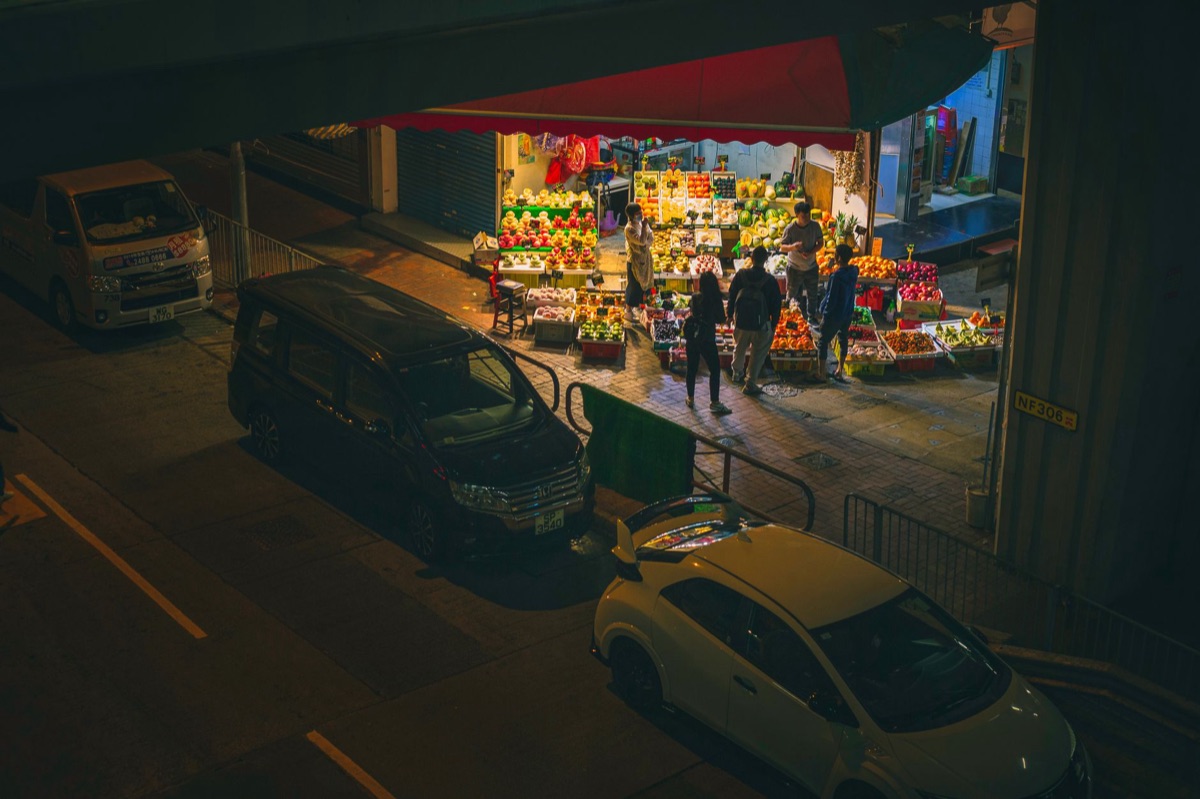
The sun dips below the Andaman Sea, the humidity softens slightly, and the neon lights of Phuket begin to flicker to life.
I remember walking into a crowded market in Phuket Town for the first time in late 2025, the air thick with the scent of toasted coconut and spicy chilies, feeling both overwhelmed and exhilarated.
In many parts of Phuket, dining can often feel curated for international palates, resulting in meals that are safe but sometimes lack that sharp, authentic kick. The night markets serve as a vital cultural equalizer where locals and travelers meet over shared tables.
While a luxury resort might offer a refined version of Thai cuisine, the market offers the raw, unfiltered essence of the island.
You have to decide your mission before you arrive. Are you looking for a "deep dive"—a sit-down seafood feast that lasts two hours—or a "quick bite" safari where you hop from stall to stall? Understanding this distinction prevents you from getting overwhelmed by the sheer variety of choices.
The cultural roots of these markets run deep in Southern Thailand. For generations, these gathering spots have been the social hubs of the community, reflecting the diverse influences of the region's history.
But choosing between a massive seafood spread and a quick snack is only the beginning of the challenge.
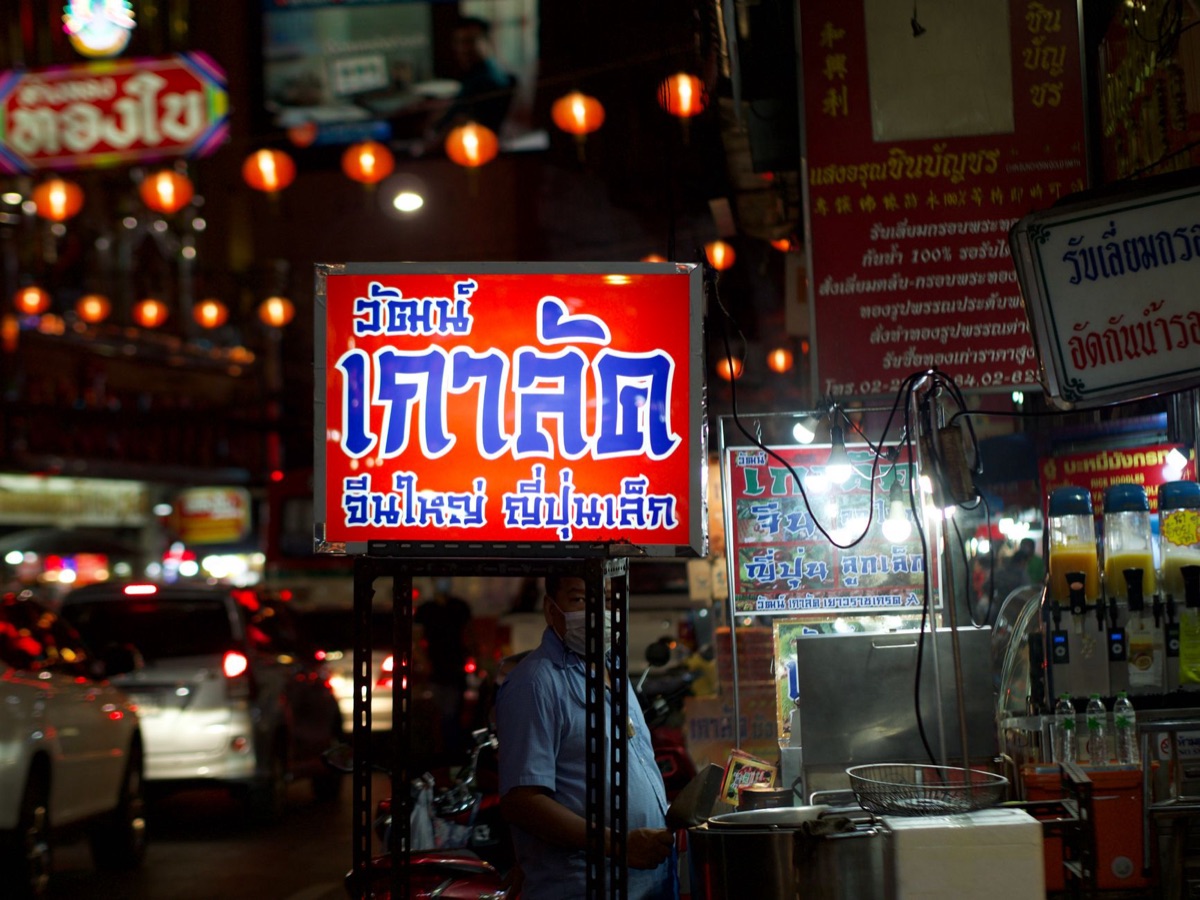
Which seafood is my perfect catch? The sound of a heavy cleaver hitting a wooden cutting board echoes through the stalls as a vendor prepares a fresh catch of the day.
I once stood by a seafood stall in Rawai in early 2026, watching a fisherman personally hand over a red snapper to a local family, noting the immediate transition from sea to plate.
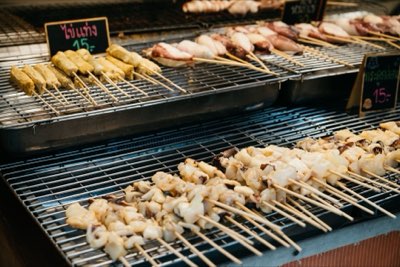
Navigating seafood stalls requires a bit of strategy. To ensure you are getting the best, look for stalls that have a high turnover of customers; this is a visual cue that the seafood is being replenished constantly. When ordering, you will often see a variety of preparation styles.
For the freshest experience, look for grilled options (Pla Pao) or steamed dishes with lime and garlic. If you see large, frozen-looking piles of shrimp that look identical to those from a supermarket, it is often better to skip those in favor of the live tanks or freshly caught daily catches.
Pricing can vary significantly between a roadside stall and a more established market setting. In many local markets, you can often pick your seafood by weight, which is a transparent way to manage your budget.
Recommended Seafood Ordering Sequence: 1. Select your protein: Choose live or freshly caught fish, prawns, or squid. 2. Confirm the weight: Ask the vendor for the estimated weight before they prepare it to avoid surprises. 3.
Choose your style: Select a preparation that highlights freshness, such as steaming or light grilling. 4. Check the sauce: Ensure you have access to local dipping sauces like *Nam Jim Seafood* to elevate the flavor.
If you think the seafood is the main event, you might be surprised by what else is waiting in the narrow aisles.
What does authentic Phuket street food taste like? The heat from a charcoal grill radiates against your skin as you weave through a narrow alleyway lined with colorful plastic stools.
I remember the first time I tried a spicy papaya salad at a tiny stall; the balance of lime, palm sugar, and chili was so intense it felt like a wake-up call to my senses.
While seafood is a highlight, the "street food safari" is where you find the soul of the island in small bites. You must try *Moo Ping* (grilled pork skewers) or *Khanom Chin* (fertile rice noodles with various curries).
There is a distinct difference between the "tourist-friendly" stalls—which often serve milder, more generic versions of dishes—and the "deep-cut" local favorites.
The local favorites often feature more intense spices, fermented flavors, or unique textures that might be challenging for a first-timer but are incredibly rewarding.
Ordering in a busy setting can be intimidating. Most vendors are accustomed to international visitors, but a polite "Sawatdee-ka" (hello) and a smile go a long way.
If you are looking for something specific, pointing to a dish being prepared by another customer is a perfectly acceptable way to communicate your intent.
| Food Type | Best For | Flavor Profile |
|---|---|---|
| Grilled Seafood | A centerpiece meal | Salty, smoky, and fresh |
| Curry-based Dishes | A hearty lunch/dinner | Rich, creamy, and spicy |
| Fried Street Snacks | Quick, walking-around food | Savory, crunchy, and salty |
| Sweet Desserts | A palate cleanser | Sweet, coconutty, and floral |
But even with a full stomach, you need to know how to navigate the logistics of the night.
Beyond the Stall: Making Your Night Market Experience Seamless
The transition from a quiet afternoon on the beach to a bustling night market can be a shock to the system.
I remember setting out from a quiet villa in Bangtao toward a central market in mid-2026, realizing too late that I hadn't planned for the sheer volume of people or the logistical need for small change.
To make your experience seamless, timing is everything. Arriving early—around 5:30 PM or 6:00 PM—allows you to beat the heaviest crowds and secure the best seating. If you prefer a more relaxed atmosphere, arriving later can be atmospheric, but you may have to stand or wait longer for tables.
Budgeting is also key. While you can eat very cheaply, a large seafood feast can add up quickly. It is wise to carry a mix of large bills and plenty of small denominations.
Most local stalls prefer cash, though some larger vendors in more developed areas may accept QR code payments or mobile transfers.
Regarding hygiene, look for stalls that maintain a clean preparation area. While eating in a busy market is generally safe, it is wise to stay hydrated with bottled water and observe which stalls have high turnover, as this indicates fresher ingredients.
However, there are certain situations where these rules might not apply.
*A note on travel: While the vibrant energy of the markets is a highlight of any trip, always be mindful of local weather conditions. During the rainy season, sudden downpours can turn a market visit into a logistical challenge.
Additionally, those with extreme dietary restrictions or severe allergies should exercise extra caution, as cross-contamination is common in open-air environments.
Always have a backup plan for transport and stay aware of local safety advisories regarding sea conditions if you are traveling from the coast.*






Comments 0