Local Cuisine: Dive into Authentic Regional Flavors Today
Beyond the tourist traps: Dive deep into the heart of the region through its genuine local cuisine and hidden gem restaurants.
* Authentic dining ranges from bustling street stalls to refined local eateries. * Understanding regional specialties is key to a truly immersive culinary journey. * Navigating dining options depends on whether you seek quick bites, deep cultural immersion, or upscale dining.
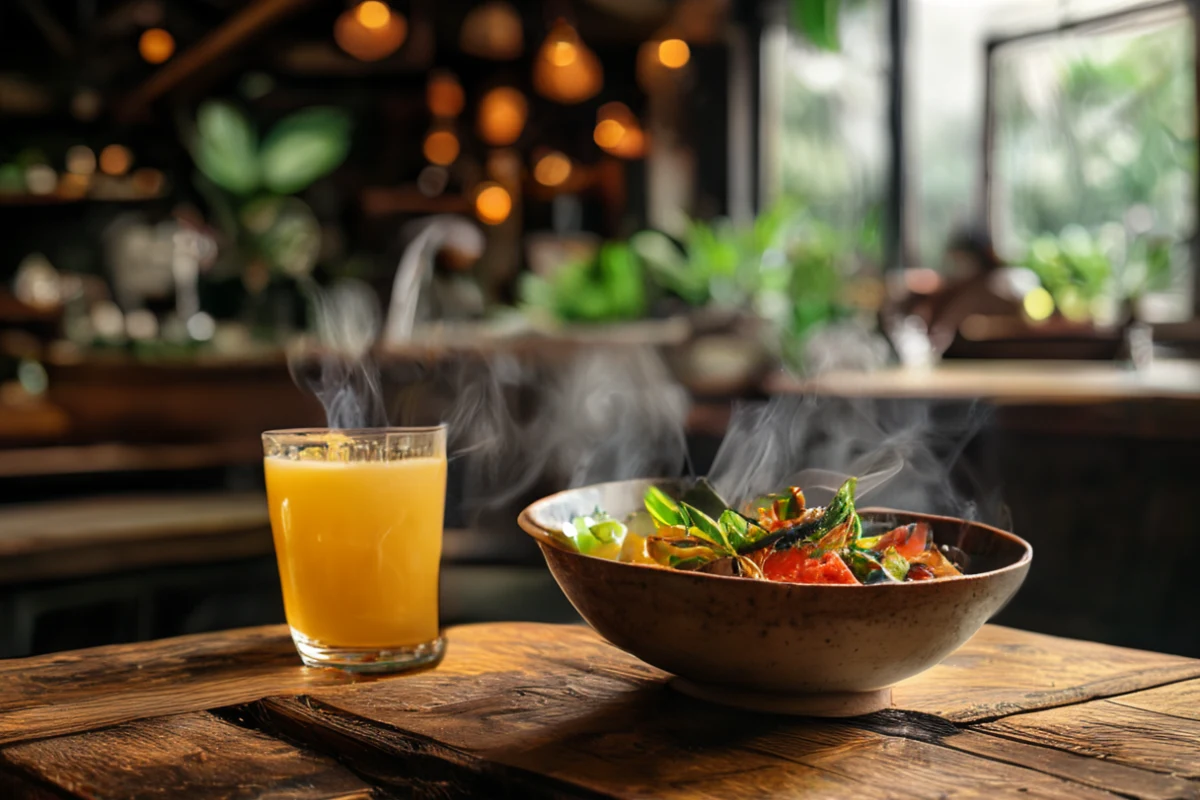
Should I start with street food or a sit-down meal? The smell of sizzling garlic and fermented chilies hits you before you even turn the corner into the market square. A vendor vigorously tosses noodles in a blackened wok, the flames licking the ceiling of a small metal stall.
According to a 2007 study from the Food and Agriculture Organization, 2.5 billion people eat street food every day.
Street food immersion is the heartbeat of the local food scene. In high-volume, low-overhead environments, you find the freshest ingredients because the turnover is constant.
In 2025, as travel surged back to pre-pandemic levels, these high-turnover spots became even more vital for travelers seeking real flavor.
You should look for small bites like spicy minced meat salads or sweet coconut-based desserts that are prepared in small batches. These vendors often serve as the primary source of nutrition for the community, ensuring the flavors remain traditional rather than adjusted for international palates.
The restaurant spectrum offers a different kind of engagement. Local joints are often bustling, loud, and unapologetically authentic, where you might sit on a plastic stool to enjoy a masterpiece of seasoning.
In contrast, dedicated restaurants provide a more curated, air-conditioned experience that allows you to sample complex dishes in a relaxed setting.
Timing is everything when you are hunting for the perfect meal. The midday rush usually features heavy, protein-rich dishes meant to sustain workers through the heat. In the summer of 2026, heatwaves in many tropical regions have made the midday choice even more critical for staying energized.
In the evening, the focus shifts to lighter snacks, grilled skewers, and vibrant market finds that turn the streets into an open-air dining room. But choosing between a stool and a table is only the first hurdle.
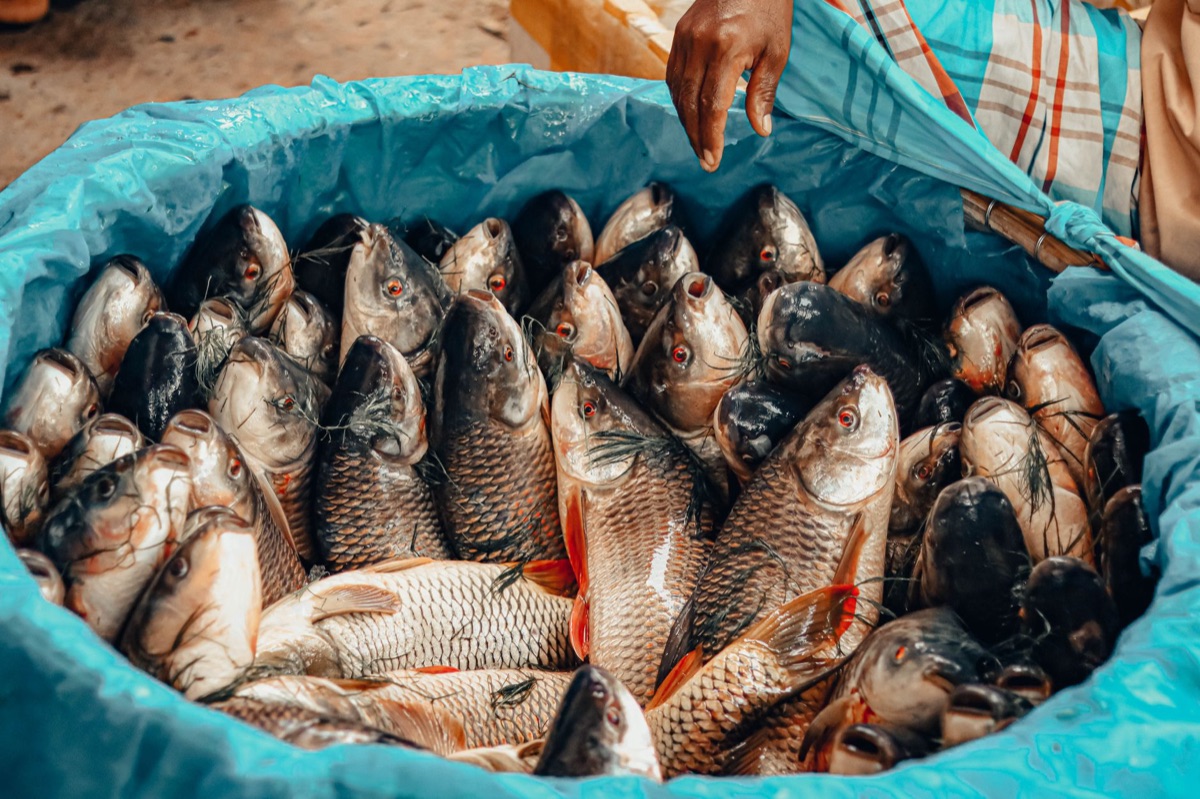
What are the local delicacies I absolutely must try? A heavy ceramic bowl sits on a wooden table, steam rising in thick, fragrant clouds that smell of lemongrass and star anise. The liquid is a deep, amber hue, shimmering under the dim light of the dining hall.
The signature spicy soup is the undisputed icon of the region. It is a complex masterpiece that requires simmering bones and aromatics for several hours to achieve a rich, velvety base.
It is typically served with a side of fresh herbs, lime wedges, and a specific fermented chili paste that allows you to control the heat level. The balance of salty, sour, and spicy is what defines a successful bowl.
Regional variations can change the profile of a core dish depending on which district you visit. In coastal areas, you might find the same base recipe enriched with fresh seafood, while inland versions might lean more heavily on earthy spices and dried meats.
This diversity ensures that even a "standard" dish can offer a different surprise every time you travel.
To achieve pairing perfection, always look for traditional accompaniments. A side of pickled vegetables provides a sharp acidity that cuts through heavy fats, while a cold, sweetened herbal tea helps soothe the palate after a spicy encounter.
When I first sat down at a crowded corner stall in 2025, I was terrified of the heat level, but one bite of that perfect, spicy broth changed my entire perspective on flavor. However, knowing what to eat is one thing; knowing where to go is another.
Navigating the Dining Scene: Restaurant Recommendations by Vibe
A group of friends laughs loudly over a shared platter of grilled seafood, while a solo traveler sits quietly in the corner, focused entirely on a bowl of noodles. The atmosphere shifts from high-energy to contemplative within a single block.
For the quick bite or budget traveler, look for the stalls that have a line of locals. These are often the most reliable spots where you can find a filling meal for under $3 USD per plate.
High turnover ensures the food is fresh, and the lack of frills means you are paying purely for the quality of the ingredients. In a typical 2026 travel budget, these $2 to $4 meals allow for much more exploration.
For a mid-range experience, seek out family-run restaurants that have been operating for decades. These establishments offer a significant step up in comfort and ambiance without losing their soul.
You can expect a more structured menu featuring signature dishes that require more labor-intensive preparation, usually costing between $7 and $15 USD per person.
For a special occasion or high-end dining, look for restaurants that focus on elevated local cuisine. These venues often take traditional flavors and present them with modern techniques or in beautiful, refined settings.
While much more expensive, they provide a deep dive into the sophisticated side of the local culinary heritage.
| Dining Type | Best For | Typical Price Range (USD) | Vibe |
|---|---|---|---|
| Street Food | Budget/Quick Bites | $1 - $4 | High energy, casual |
| Mid-Range | Families/Groups | $7 - $15 | Relaxed, authentic |
| High-End | Special Occasions | $30+ | Refined, curated |
The choice of venue sets the mood, but the culture surrounding the meal is what gives it meaning.
Beyond the Plate: Pairing Food with Local Culture
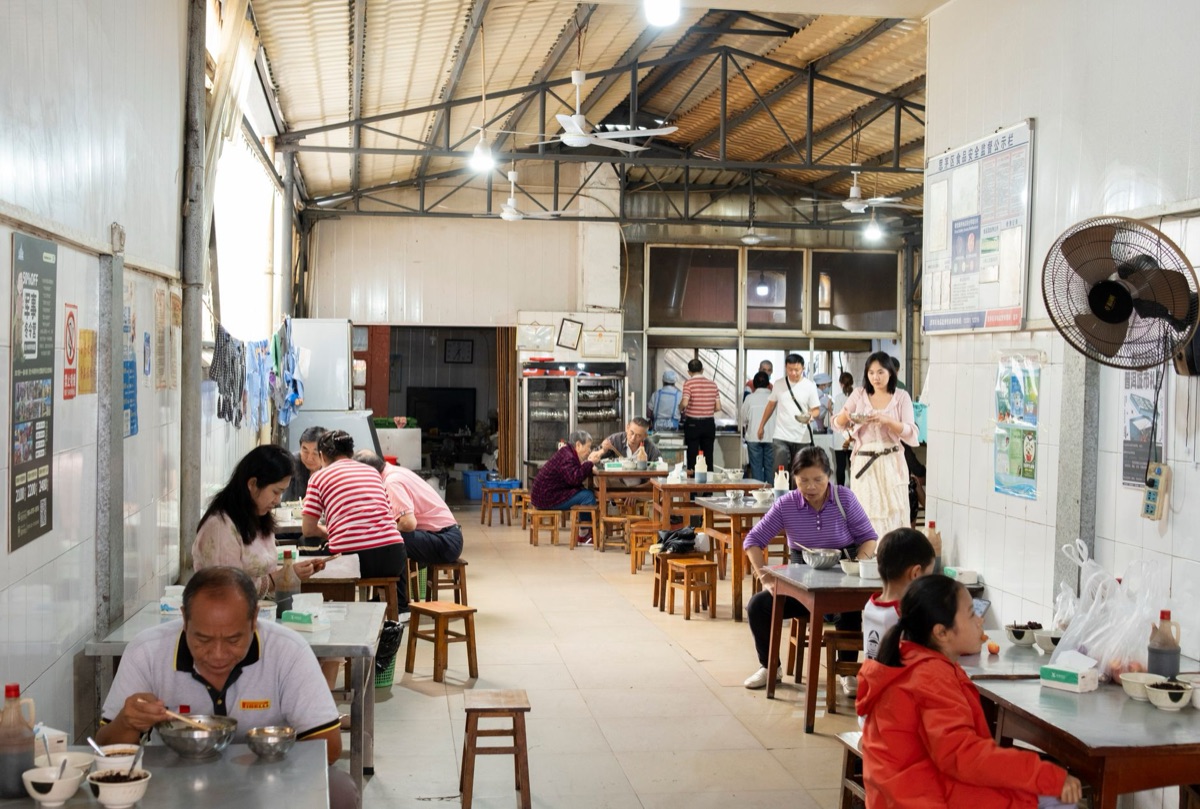
The morning sun filters through the colorful canopy of a local market, illuminating piles of bright red chilies and golden mangoes. Vendors call out to one another, creating a rhythmic soundtrack to the morning commerce.
According to World Bank data, Thailand recorded international tourist arrivals of 39,916,000 in 2019.
The market experience is an essential part of the culinary journey. Local markets are where the freshest produce and seafood are sourced daily. It is best to visit in the early morning to see the full variety of seasonal goods.
In 2026, visiting at 6:30 AM remains the gold standard for witnessing the freshest inventory.
When browsing, look for the sections where the locals are gathering; these are the indicators of quality.
Beverage rituals also play a significant role in the dining experience. Traditional herbal infusions or locally brewed tea are often served to cleanse the palate between different flavor profiles. In some areas, a specific fermented drink might accompany heavy meals to aid digestion.
Understanding the cultural context adds a layer of depth to every bite. Many of the most important dishes have roots in religious ceremonies or historical trade routes.
Knowing that a certain spice was once a luxury or that a dish is traditionally served during a specific festival makes the meal feel like a piece of living history. But how do you actually navigate these waters without getting lost in the tourist traps?
Pro-Tips for Dining Like a Local (Avoiding Tourist Traps)
A traveler hesitates at a menu, looking confused by the lack of English descriptions, before nodding to a local patron who points toward a specific, steaming plate. The interaction is brief but carries the weight of unspoken wisdom.
Ordering like a local involves observing the cues of the environment. In many places, you don't need a formal menu; you simply point to what the person at the next table is eating.
To master the local dining scene, follow this checklist:
- Observe the crowd: High turnover means fresh ingredients.
- Check the timing: Eat when the locals eat to ensure peak freshness.
- Watch the prep: Ensure food is cooked fresh in front of you.
- Verify the price: In markets, a quick, polite inquiry is standard.
- Learn the basics: Carry small denominations of cash for easy transactions.
Learning a few basic phrases for "delicious," "not too spicy," or "the bill, please" can also open doors to more authentic interactions. In my own travels through 2025, I found that a simple "thank you" in the local tongue often resulted in a slightly larger portion or a warmer smile.
Hygiene and safety are practical considerations. The best rule of thumb is to follow the crowd. High-turnover stalls where food is cooked fresh in front of you are generally safer and more delicious than quiet, empty establishments.
If the ingredients are moving through the kitchen quickly, you are in good hands.
Regarding pricing, transparency is key. In casual settings, prices are usually fixed, but in markets, a polite inquiry about the price is standard. Do not feel pressured to negotiate heavily at food stalls; the prices are typically set to be fair and affordable for the community.
#







Comments 0