70-Year Tradition: Deep Dive into Simopan's Flavor Profile
To eat in Simopan is to understand the rhythm of the land through its spices and the heat of its communal tables.
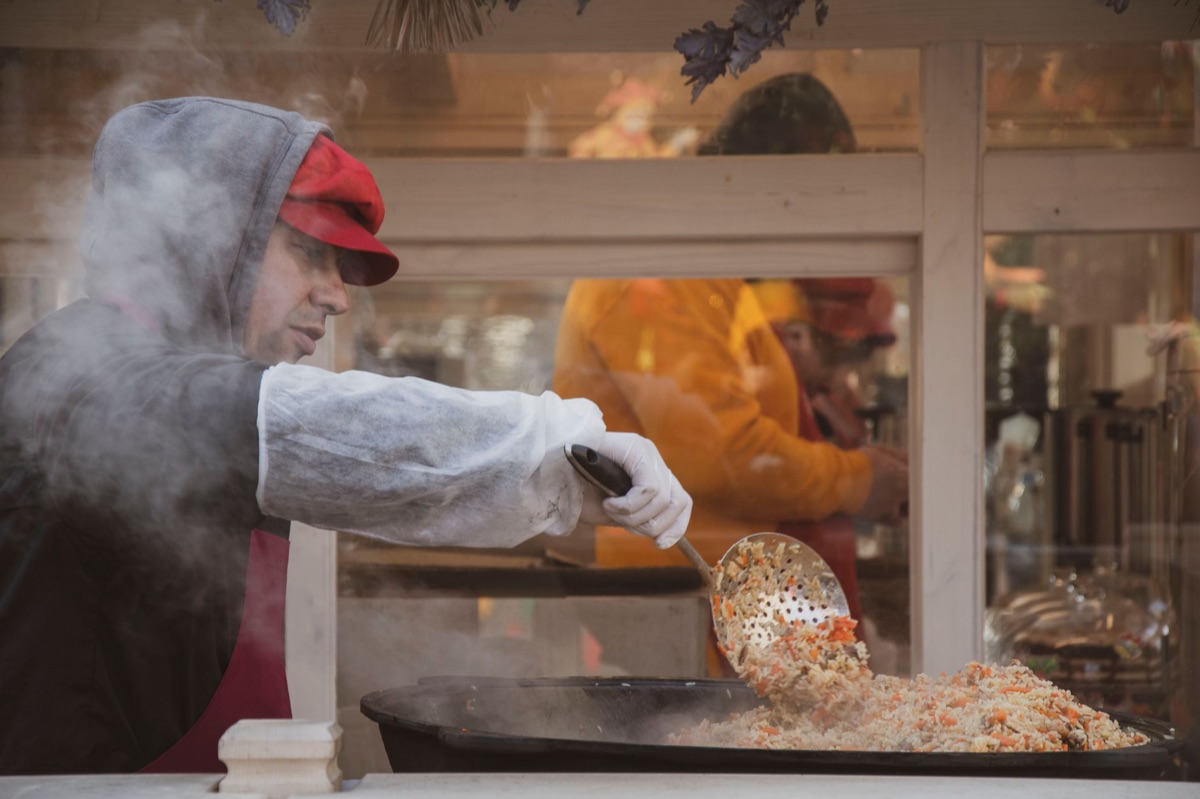
If you are looking for the soul of this region, you won't find it in a white-linen tablecloth or a quiet, air-conditioned hall. You find it in the steam rising from a roadside wok at 6:00 AM and the sharp, fermented tang of a sauce shared between neighbors at dusk.
* The Essential Dish: Seek out the slow-braised meat dishes that utilize local aromatics to balance heavy spices. * The True Spirit: The most authentic meals happen at communal, open-air tables where the boundaries between vendor and guest blur. * The Perfect Itinerary: Start with a sunrise market visit, followed by a heavy breakfast of local staples, and end with a sunset stroll through the old district. * Etiquette Tip: In local settings, communal sharing is the norm; always be prepared to try small portions of everything on the table.
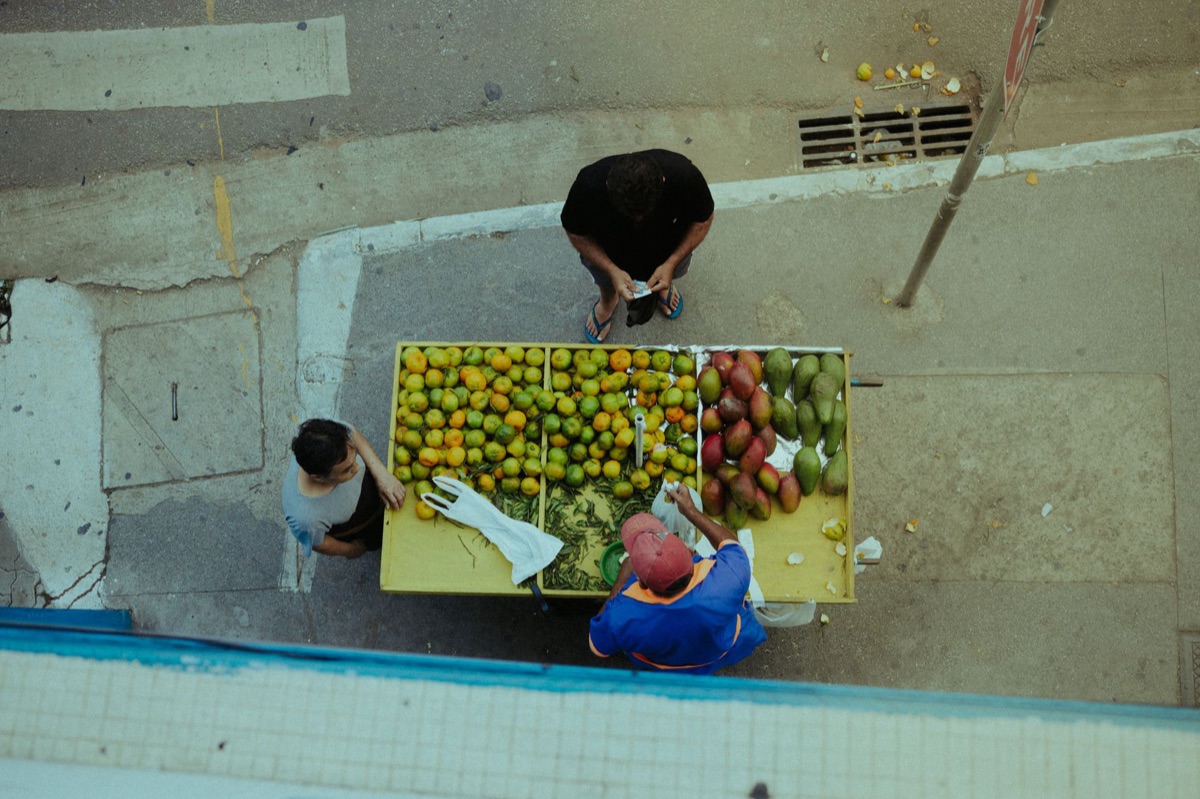
What does authentic Simopan flavor really taste like? The sun hit the corrugated metal roof of the market stall, sending a warm, golden light through the rising steam of a boiling pot. In the early morning of July 2026, the heat was already climbing toward 32 degrees Celsius by 7:30 AM.
I sat on a low plastic stool, the kind that makes you feel much closer to the ground than you are used to, watching a vendor expertly slice through a piece of tender meat with a heavy cleaver.
The signature flavor profile of Simopan is built on a foundation of deep, savory umami balanced by sharp acidity. Unlike the sweeter profiles found in coastal regions further south, Simopan cuisine leans heavily into earthy spices and fermented elements.
The centerpiece of a traditional meal often involves a slow-cooked protein—frequently pork or poultry—marinated in a paste of toasted chilies, garlic, and local fermented shrimp. This paste isn't just a seasoning; it is the identity of the town.
Beyond the heavy hitters, the smaller bites define the daily rhythm. You will often see small, crispy fried snacks served alongside a bowl of spicy soup to provide a textural contrast.
These might include salt-cured radish or crispy fried shallots, which add a crunch that offsets the richness of the braised meats. The use of local produce is non-negotiable.
In 2025, local farmers noted that the specific soil acidity in this district produces a sharper radish than anywhere else in the province.
While neighboring regions might use coconut milk to create a creamy, velvety texture, Simopan chefs often prefer a more concentrated, oily finish. This results in a sauce that clings to the rice, ensuring that every bite is saturated with flavor.
It is a heavy, soulful way of eating that demands a hearty appetite. But how do you actually find these flavors without getting lost in the tourist traps?
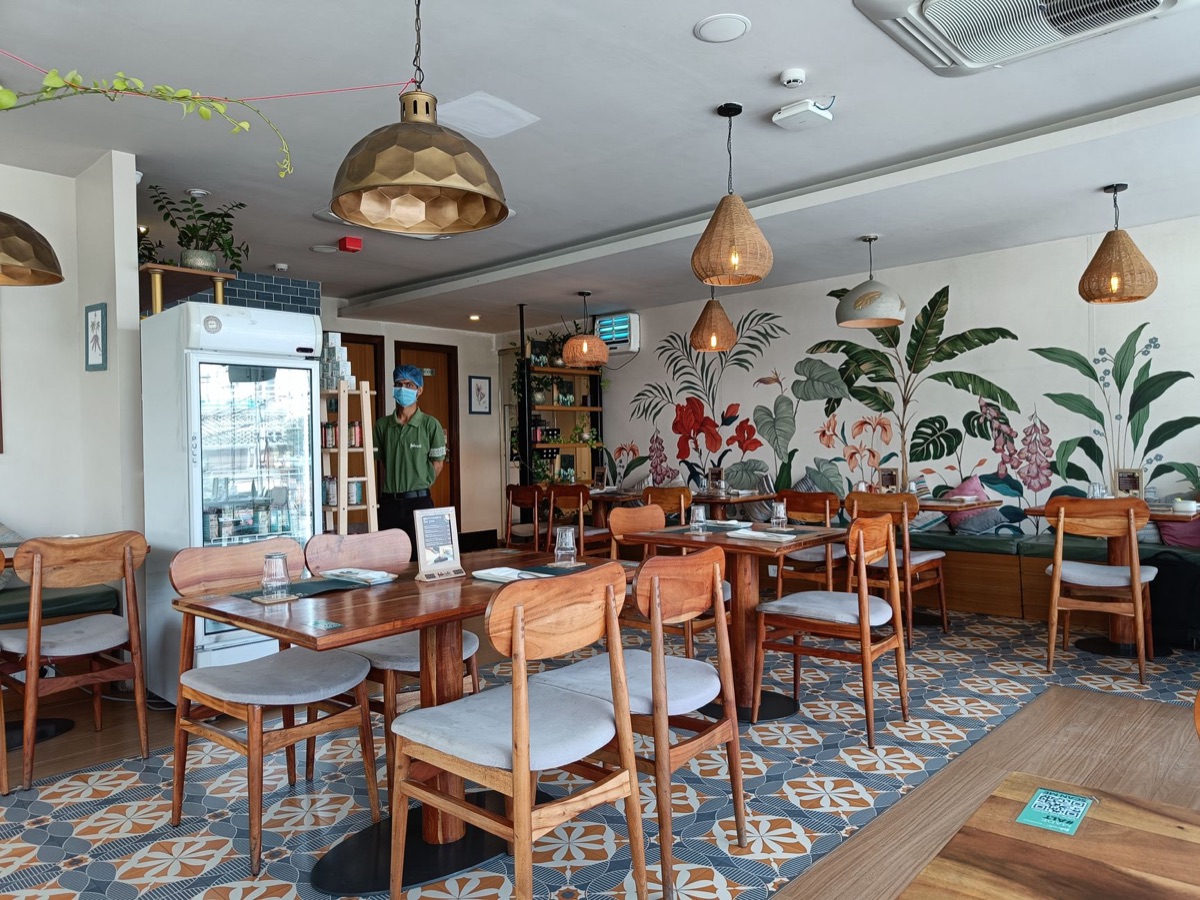
Where can I eat like a true local? I remember walking into a small, family-run shop tucked between two brightly colored buildings in the old district. The smell of toasted spices hit me before I even crossed the threshold, and the sound of clinking ceramic bowls filled the air.
According to the Food and Agriculture Organization, 2.5 billion people eat street food every day.
For those seeking the most authentic experience, look for the "Local Favorites." These are typically family-run establishments located near the central market or transit hubs. They usually feature open-front designs, minimal decor, and a rotating menu based on what was fresh that morning.
In these spots, you can expect to pay very little—often just $3 to $5 for a filling meal—while sitting alongside workers and locals. The atmosphere is loud, energetic, and entirely unpretentious.
If you desire something slightly more refined but still deeply rooted in tradition, look for "Elevated Local Experiences." These are often converted heritage homes or restaurants located in the historic district.
They offer a more curated menu, sometimes featuring more expensive cuts of meat or more complex spice blends, but they maintain the soul of the town. These spots provide a beautiful setting, often with high ceilings and traditional architecture, making them perfect for a long, lingering lunch.
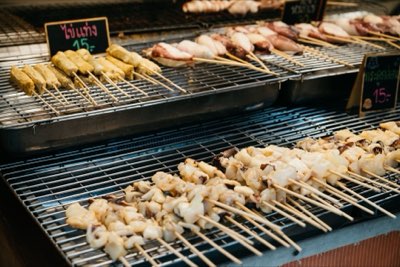
Navigating the street food scene requires a specific approach. Do not be intimidated by the lack of formal seating. The best way to eat like a local is to follow the crowd. If you see a long line of locals at a specific stall, that is your signal.
The typical sequence is simple: find a vendor with high turnover, order a single signature dish, find a seat (or stand if necessary), and observe. In many cases, you will see locals using small communal plates to share different items.
A useful pro-tip for travelers: if you want to show a vendor you are a serious enthusiast, ask for their "specialty of the day" using a polite, inquisitive tone. In many local spots, the chef prepares a specific batch of a certain dish that is meant to run out by noon.
Asking for the "chef's choice" or the most traditional version of a dish often earns you a seat at the table of authenticity. However, knowing how to transition from the plate to the atmosphere is where the real magic happens.
Beyond the Plate: Pairing Food with the Simopan Vibe
The evening air was thick and humid, carrying the scent of jasmine and woodsmoke as the streetlights began to flicker to life. I sat with a cold glass in hand, watching the shadows lengthen over the cobblestone street.
To truly experience the meal, you must pair it with the right beverage. In Simopan, heavy, spicy meals are traditionally balanced by refreshing, unsweetened herbal teas or light, local brews. A cold, floral tea can cleanse the palate between spicy bites, making it easier to enjoy multiple courses.
In the heat of the day, a fresh, pressed fruit juice—without added syrups—is the standard accompaniment to keep you hydrated while you tackle the spice.
A perfect day of eating should be paired with local exploration. After a heavy, spice-laden lunch, a slow walk through the historic district or a visit to a local botanical garden provides the perfect opportunity to digest.
The transition from the intensity of the meal to the tranquility of a local landmark helps you absorb the culture rather than just consuming it. The "Evening Ritual" is a vital part of the local rhythm. After the main meal, locals often congregate in public squares or walk through the night markets.
This is not just about more food; it is about social connection.
The best time to visit the most iconic spots is during the transition periods—early morning for the freshest breakfast or late evening when the heat breaks and the atmosphere becomes electric. But how do you actually execute a perfect food day without feeling overwhelmed?
The Ultimate Simopan Foodie Checklist
Walking through the market at 8:00 AM can feel like a sensory assault. To keep your sanity and your stomach happy, you need a plan.
When I first attempted a full day of food touring in 2025, I realized that without a structure, you either end up too full by noon or too tired by sunset. Here is the exact method I use to navigate a day of eating:
- The Morning Anchor: Start at a high-turnover market stall between 6:30 AM and 7:30 AM. Order one warm, protein-heavy dish to stabilize your energy.
- The Mid-Day Pause: Do not eat a heavy lunch immediately. Spend two hours walking through a museum or a garden to allow digestion to occur.
- The Flavor Pivot: For lunch, move from the heavy morning spices to something lighter, such as a chilled noodle dish or a fresh herb salad.
- The Afternoon Hydration: Between 2:00 PM and 4:00 PM, stick to local herbal teas or water. Avoid heavy dairy or excessive caffeine during this window.
- The Grand Finale: Save your most significant, "bucket list" meal for the evening, typically between 7:00 PM and 8:30 PM, when the atmosphere is at its peak.
This structured approach ensures you taste the variety without the fatigue. But there is a catch: not every meal will be a hit, and you need to know why.
| Dining Type | Best For | Price Range | Vibe |
|---|---|---|---|
| Street Food Stalls | Quick, authentic bites | $2 - $5 | High energy, casual |
| Family-Run Eateries | Hearty, traditional meals | $5 - $12 | Warm, communal |
| Heritage Restaurants | Special occasions/Views | $15 - $35 | Relaxed, cultural |
| Night Markets | Variety and social atmosphere | $3 - $10 | Bustling, social |
What Are the Limits of This Experience?
It is important to recognize that this level of immersion is not for everyone. The heat, the noise, and the intensity of the spices can be taxing. According to the World Bank, Thailand recorded agricultural land share of 43.8% in 2023.
If you have a sensitive stomach or are traveling with very young children, the high acidity and spice levels of Simopan may require significant modification. In such cases, you may need to stick to milder, starch-based dishes like plain rice or steamed noodles.
Additionally, while the food is incredibly fresh, the lack of air conditioning in many authentic spots means you will be sweating. This is part of the charm, but it is a physical reality of the region.






Comments 0