Phuket Food: Skip Tourists, Find Local Soul in Old Town
"The difference between a tourist meal and a local masterpiece is often just a few blocks of distance and a willingness to sit on a plastic stool."
If you want to truly taste the soul of Phuket, you have to look past the neon lights of Patong and the polished menus of luxury resorts. Real flavor lives in the steam of a morning market or the spice of a roadside curry.
* Tourist vs. Local: Tourist dining often prioritizes familiarity and English-only menus, while local dining focuses on seasonal ingredients and intense, regional spice profiles. * Atmosphere Guide: Choose Old Town for heritage-rich dining, local markets for budget-friendly authenticity, and beachside spots for atmosphere over deep flavor. * Must-Try Flavors: Focus on Southern Thai specialties like Gaeng Som (sour curry) and seafood-based noodles that define the island's culinary identity.

Where should I eat in Phuket? The sun was setting over the Chinamark pier in July 2026, casting long shadows across a crowded street food stall where the scent of lemongrass and fermented shrimp paste hung heavy in the humid air.
According to a 2007 study from the Food and Agriculture Organization, 2.5 billion people eat street food every day.
I watched a local businessman in a crisp shirt sit beside a construction worker, both leaning over steaming bowls of noodles without a second thought.
Phuket’s dining scene is a tale of three distinct worlds. First, there are the tourist hubs like Patong and Bang Tao, where menus are heavily westernized and prices are scaled for international budgets.
In 2025, a standard lunch in these zones could easily cost 450 THB per person, whereas a local stall might offer the same meal for 60 THB.
While convenient, these areas often dilute the authentic flavors you traveled thousands of miles to find.
Then there is Phuket Old Town, a beautiful district of Sino-Portuguese architecture. This is the heart of the island's culinary heritage, where family-run shops have been serving the same recipes for generations.
In the 2026 season, the heritage district remains the primary destination for those seeking authentic Peranakan flavors.
Finally, there are the local markets and residential pockets, where the food is cheapest and often the most intense.
If you are looking for a specific vibe, use this quick guide:
* For Seafood Lovers: Head toward Rawai Beach, where the fresh catch is brought directly from boats to the stalls. * For Heritage & Atmosphere: Visit Phuket Old Town for Peranakan-style dishes. * For Budget & Variety: Visit local night markets like Naka Market. * For High-End Luxury: Stick to premium beach clubs in Bang Tao or luxury resorts.
The transition from a luxury poolside lunch to a bustling night market is more than just a change in setting; it is a transition into the real rhythm of Thai life. But finding the right plate in a crowded market can be overwhelming.
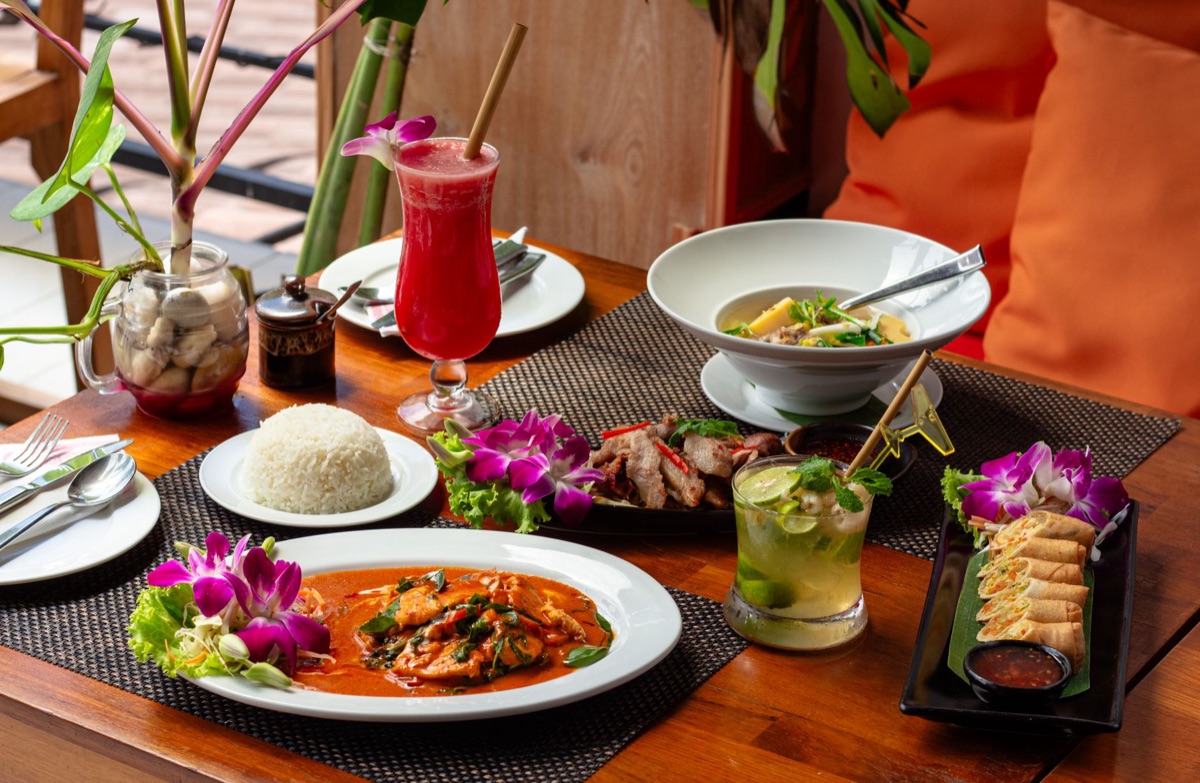
What local delicacies must I try? The waiter placed a vibrant, orange-hued curry on the table, the steam rising in a spicy cloud that made my eyes water slightly. It didn't look like the mild yellow curries often seen in travel brochures; it looked bold, sharp, and unapologetic.
Southern Thai cuisine is famous for being significantly spicier and more pungent than the food in Bangkok. The flavors rely heavily on turmeric, shrimp paste, and various chilies. In 2026, travelers are increasingly seeking these high-heat profiles over milder fusion dishes.
One of the most essential dishes is Gaeng Som, a sour and spicy soup that uses tamarind to provide a sharp acidity to balance the heat. Another staple is Hokkien-style noodles, a nod to the Chinese influence in the region.
These thick, yellow noodles are often stir-fried with seafood or served in a rich, savory broth.
When eating seafood, always look for "Pla" (fish) or "Goong" (shrimp) dishes that are prepared fresh. In local markets, you can often find vendors specializing in a single type of dish—this is usually a sign of high quality and specialized skill.
To complement these heavy, spicy flavors, locals often order a side of fresh vegetables or a cooling drink. A common pairing is a simple cucumber salad or a sweet iced tea to soothe the palate between bites of fiery curry.
| Dish Type | Primary Flavor Profile | Best Time to Eat |
|---|---|---|
| Gaeng Som | Sour, Spicy, Salty | Lunch or Dinner |
| Hokkien Noodles | Savory, Umami, Rich | Lunch or Late Night |
| Seafood Stir-fry | Fresh, Garlic, Peppery | Dinner |
Finding the right balance of heat and acidity is the key to mastering the local palate. However, knowing what to order is only half the battle; you also need to know where you belong at the table.
Restaurant Guide: Matching Your Vibe to Your Table
I stood in line at a small, unassuming shop in a narrow alleyway of Old Town, clutching a small napkin as the humidity pressed in. The shop had no air conditioning, just a single oscillating fan and the loud, rhythmic chopping of a cleaver against a wooden block.
When choosing a restaurant, you must decide between "vibe" and "flavor." High-end dining in luxury resorts offers incredible views and impeccable service, but you are often paying a premium for the setting rather than a unique culinary breakthrough.
In 2026, a high-end dinner in Bang Tao can range from 2,500 to 5,000 THB per person.
These are great for celebratory dinners but may not satisfy a craving for authentic local spice.
Mid-range restaurants, often found in the city centers, offer a middle ground. They provide air conditioning and a more comfortable seating arrangement while still maintaining high standards of local authenticity.
For those on a budget, "Gasanbhi" or value-based dining is best achieved by eating at local markets or small, family-run "shophouse" restaurants. In 2025, a well-balanced meal at a shophouse typically costs between 80 and 150 THB.
If you want to maximize your value, follow this checklist for selecting a restaurant:
- Check the Menu Length: Look for places that serve a limited menu. A restaurant that only does three or four things usually does them better than a place with a 50-item book.
- Observe the Local Crowd: If you see locals eating there, the quality is likely high and the price is fair.
- Assess the Turnover: High-traffic spots mean ingredients are fresh and rotating daily.
- Verify the Price Transparency: In tourist areas, check for prices on the menu to avoid sudden bill shocks.
Understanding the unspoken rules of the table makes the transition from visitor to guest much smoother. But as you move from the air-conditioned dining room to the street, you must also consider the practicalities of health and culture.

Dining Safety and Cultural Immersion
The street was slick from a sudden tropical downpour, and the smell of rain hitting hot pavement mixed with the aroma of grilled meat. I watched a local family carefully wipe their hands before sitting down, a small ritual of cleanliness in a busy environment.
According to World Bank data, Thailand recorded international tourist arrivals of 39,916,000 in 2019.
Food safety is a common concern for travelers. To ensure quality, look for high turnover. A busy restaurant with many local customers is generally a safe bet because the ingredients are being used quickly and stay fresh.
In a high-turnover environment, you can expect ingredients to be no more than 24 hours old.
Avoid stalls where the food has been sitting out at room temperature for extended hours without heat or ice. In the heat of a 2026 summer, food left in the open can spoil rapidly.
To avoid tourist traps, stay wary of places that have large, glossy English-only menus placed prominently on the sidewalk to lure passersby. If a restaurant feels too much like a stage set designed for photos, the food might be secondary to the decor.
Truly great local spots often have much simpler presentations.
Cultural immersion also means respecting local dining customs. In many parts of Thailand, it is common to share dishes among the group rather than ordering individual plates. This "family style" eating is the heart of the social experience.
If you are eating in a more traditional setting, remember that using a fork to push food onto a spoon is the standard way to eat, rather than putting the fork directly into your mouth.
Exploring the quieter, non-tourist streets often leads to the most profound culinary discoveries. But how do you navigate the specific questions that arise when you are actually sitting down to eat?






Comments 0