Siam Niramit: A Living Timeline of Thailand's Kingdom
"To step through the gates of Siam Niramit is to step out of the modern rush of Phuket and into a living, breathing timeline of the Kingdom of Thailand."
While many travelers arrive in Phuket seeking nothing but the salt air of Patong or the turquoise waters of Kata, there is a profound, quiet dimension to this island that often goes unnoticed beneath the sunblock and cocktail umbrellas.
* Siam Niramit serves as a living museum designed to preserve and showcase the intricate narratives of Thai heritage. * The architectural scale of the complex is engineered to facilitate both massive theatrical spectacles and intimate cultural immersion. * The venue acts as a vital cultural hub, providing historical context that enriches a traveler's understanding of modern Thailand. * Visitors experience a convergence of traditional architecture, ritual, and performance that transcends standard tourist entertainment.
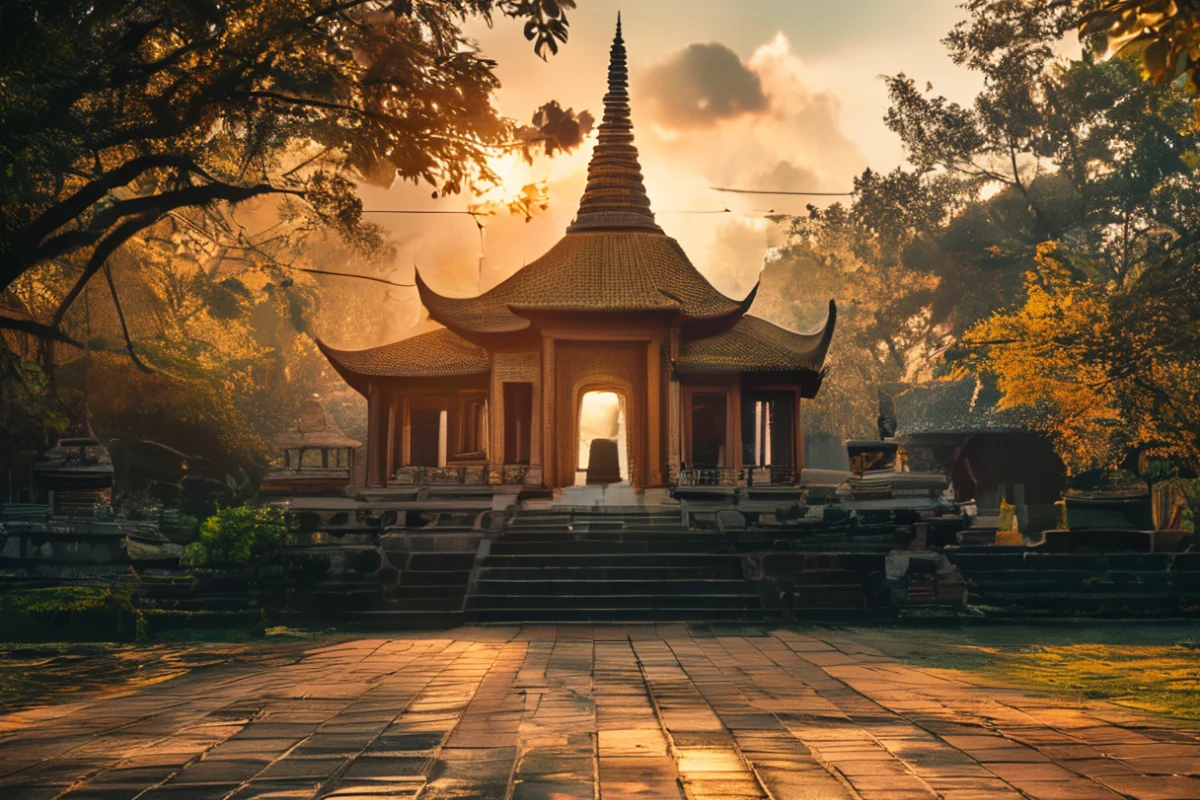
What is Siam Niramit and where did it come from? The sun begins to dip behind the lush greenery of the Phuket hills in late 2025, casting long, golden shadows across a sprawling complex that feels worlds away from the neon lights of Bangla Road.
As you walk through the entrance, the transition from the modern road to the traditional courtyard is immediate and striking.
Siam Niramit is not merely a theater; it is a curated attempt to encapsulate the essence of Thailand within a single, cohesive environment.
The founding vision was rooted in the desire to create a comprehensive cultural experience that honors the various eras of Thai history, from the legendary kingdoms to the daily lives of ancestors.
It was designed to be a "living tableau," where the history of the nation is not just read in a book but felt through movement, sound, and sight.
In the broader context of Thailand—a nation where 94.6% of the population identifies as Buddhist—the importance of ritual and storytelling is deeply embedded in the social fabric. Siam Niramit captures this spiritual and social continuity.
It serves as a bridge between the ancient traditions that shaped the peninsula and the modern identity of the people living there today.
By presenting these stories in a grand setting, the creators sought to ensure that the nuances of Thai heritage remain accessible to both locals and international visitors.
But how does a massive structure actually manage to feel like an ancient kingdom?
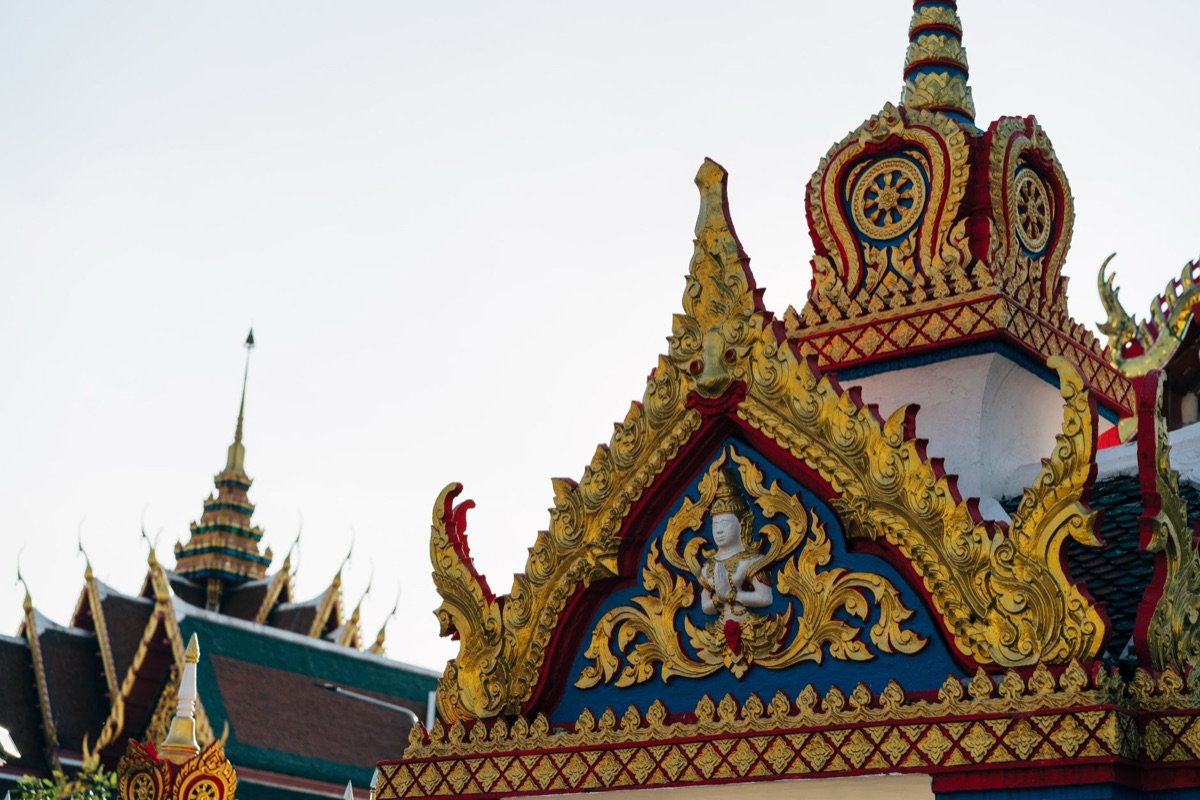
How does the architecture reflect Thai identity? The evening air turns slightly cooler as you stand before the massive main stage in the summer of 2026, looking up at the sweeping rooflines that mimic the elegant curves of traditional Thai temples.
The sheer scale of the structures is enough to make one feel small, yet the intricate details of the woodwork and gold accents bring a sense of human connection to the vastness.
The architecture of the complex is a deliberate blend of traditional aesthetics and modern engineering. The design elements draw heavily from classic Thai architectural principles, such as the tiered roofs and steep gables seen in historical palaces and religious structures.
However, the layout is far more complex than a simple temple; it is a highly functional cultural complex designed to manage large crowds while maintaining the illusion of an ancient setting.
The integration of performance spaces with static cultural displays is a masterpiece of spatial planning.
While the main stage is built to accommodate massive, sweeping movements and large casts of performers, there are also smaller, more intimate corners designed for traditional craft demonstrations and smaller ritual reenactments.
This duality allows the architecture to serve two purposes: it acts as a grand stage for epic storytelling and as a quiet sanctuary for cultural preservation.
While the buildings are impressive, the real magic happens when the lights go down.
The Narrative Heart: Preserving Thailand’s Rich Tapestry
A sudden burst of traditional percussion echoes through the courtyard, and a group of dancers in shimmering silk begins a synchronized movement that seems to mimic the flow of water. The smell of jasmine and incense drifts through the air, momentarily masking the scent of the tropical evening.
The heart of the Siam Niramit experience lies in its narrative depth. The productions do not just tell stories; they recreate the rituals, festivals, and daily struggles that defined Thai life for centuries.
From the legendary tales of kings to the simple, profound beauty of harvest festivals, the content is designed to be an educational journey. It covers the spectrum of human experience—birth, marriage, war, and spirituality—all through the lens of Thai tradition.
Preservation is a key component of this mission. By utilizing authentic costumes, traditional musical instruments, and historically accurate choreography, the production maintains a level of authenticity that distinguishes it from mere spectacle.
It is a convergence of history and art, where the dance is not just a performance but a way of keeping a specific cultural language alive. For the visitor, this provides a tangible connection to the roots of the traditions that still influence Thai social etiquette and community life today.
But how does one actually navigate such a massive cultural site without feeling overwhelmed?
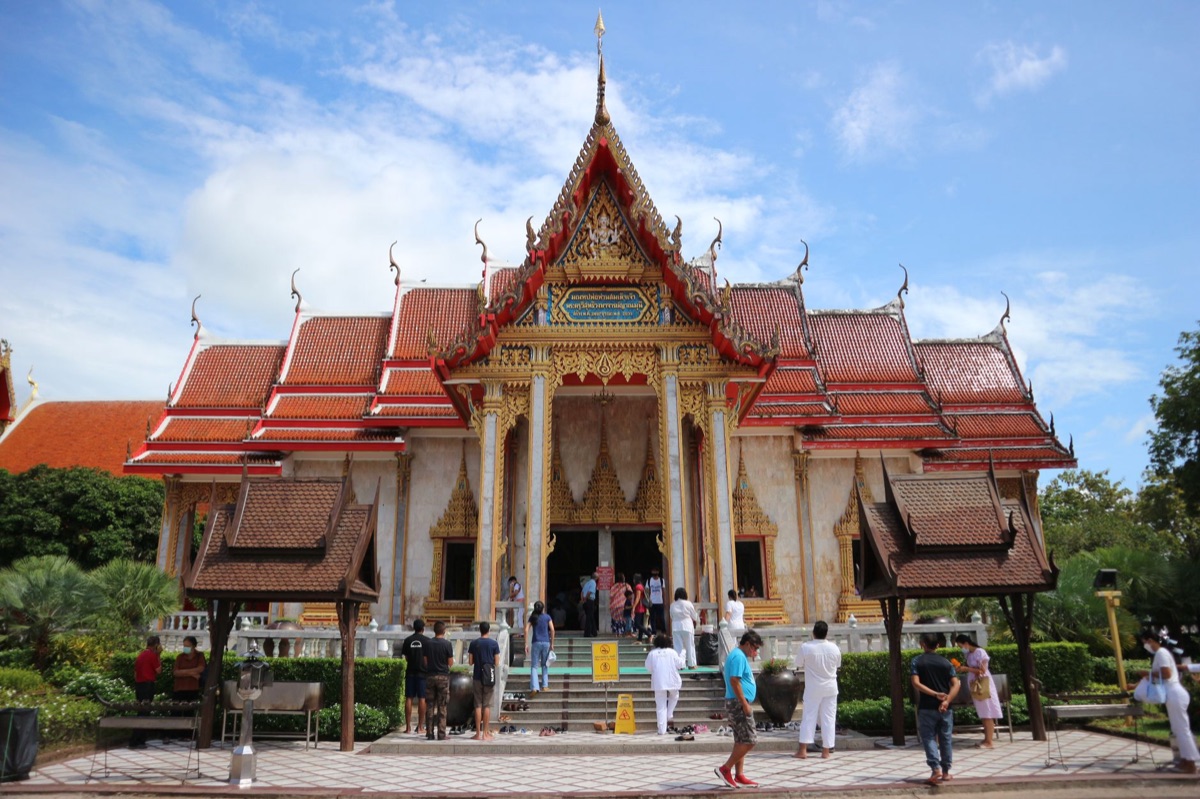
How to Navigate a Night at Siam Niramit
Walking through the gates at 6:00 PM, I remember feeling a bit lost among the sprawling pavilions and the sheer number of people moving through the courtyard. It took a moment to realize that the site is designed to be explored in stages, much like a journey through time.
To make the most of your visit, follow this structured approach to ensure you don't miss the core of the experience:
- Arrival and Exploration (6:00 PM - 7:30 PM): Arrive early to wander through the various cultural villages and craft demonstrations. Do not rush straight to the theater; the smaller pavilions offer the context you need for the main show.
- Traditional Dining (7:30 PM - 8:30 PM): Utilize the on-site dining areas to sample authentic regional dishes. This allows you to settle in before the main performance begins.
- The Main Spectacle (8:30 PM - 9:30 PM): Take your seat in the main theater. The scale of the production is best experienced when you are fully seated and focused on the stage.
- Post-Show Reflection (9:30 PM - 10:00 PM): Spend a few minutes in the courtyard after the show. The atmosphere changes once the music stops, offering a quieter moment to process the stories you just witnessed.
Following this timeline ensures you experience both the grand scale and the intimate details of the complex.
Beyond the Stage: Siam Niramit’s Place in Modern Phuket Tourism
The transition from a luxury beach villa to the bustling, historical atmosphere of the cultural complex requires a shift in mindset. It is a move from the sensory indulgence of the coast to the intellectual and emotional engagement of the heartland.
According to World Bank data, Thailand recorded international tourist arrivals of 39,916,000 in 2019.
For many, a trip to Phuket is synonymous with the beach. However, Siam Niramit offers a necessary alternative for the discerning traveler—the one who seeks depth alongside relaxation. While the beaches provide a physical escape, this cultural immersion provides a mental and spiritual engagement.
It prevents the "tourist bubble" effect, where a traveler visits a country but never truly understands its people or its past.
By positioning itself as a premier cultural destination, Siam Niramit complements the existing tourism landscape. It offers a way to experience the "soul" of the country without leaving the comforts of the island.
For those traveling in groups or families, it provides a shared educational experience that can spark lifelong interest in Southeast Asian history. It turns a simple vacation into a journey of discovery.
But how does this compare to the typical Phuket experience?
A Comparative View: Siam Niramit vs. The Modernized Phuket Experience
| Feature | Typical Beach/Nightlife Visit | Siam Niramit Cultural Visit |
|---|---|---|
| Primary Focus | Physical relaxation & sensory indulgence | Intellectual & cultural immersion |
| Atmosphere | High energy, loud music, social buzz | Reverent, storytelling, atmospheric |
| Time of Day | Daytime sun or late-night energy | Evening transition and nighttime spectacle |
| Traveler Goal | Escapism and recreation | Education and cultural connection |
| Impact | Immediate sensory gratification | Lasting historical perspective |
Choosing between a night at a beach club in Bangtao and an evening at Siam Niramit is not a matter of which is "better," but rather a matter of balance.
A well-rounded traveler understands that the vibrant, modern energy of Phuket—the luxury resorts, the shopping, and the nightlife—is only one side of the coin.
Visiting a cultural complex like this deepens the understanding of why the region looks and acts the way it does. It provides the context for the architecture you see in Phuket Old Town and the traditions you encounter in local markets.
It turns a "vacation" into a "travel experience," where the sights you see are grounded in a much larger historical reality.
#




Comments 0