Beyond Beaches: A Guide to Authentic Phuket Experiences
"The true soul of an island isn't found in the white sand of its beaches, but in the weathered bricks of its streets and the steam rising from a local market stall."
If you travel to Phuket looking only for turquoise water, you will miss the heartbeat of the island. To truly understand this place, you must step away from the luxury resorts and walk through the narrow, colorful corridors of the old town.
Key Takeaways * Phuket’s identity is etched into its Sino-Portuguese architecture, a blend of Chinese, Malay, and European styles from the tin-mining era. * Authentic cultural immersion happens in local markets and through understanding regional traditions like Songkran.
* Shifting from a "sightseeing" mindset to a "slow travel" approach reveals the deep history of Southern Thailand.
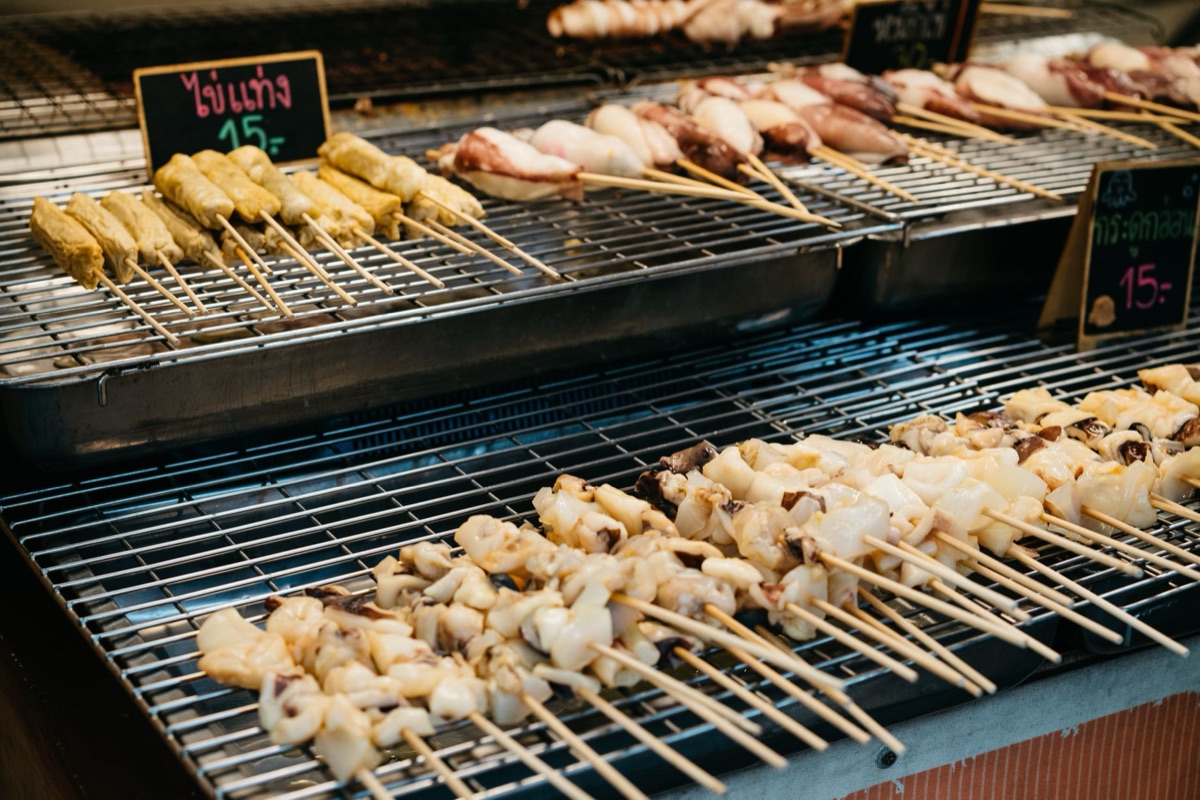
Why Does Phuket's Old Town Matter? A Dive into Sino-Portuguese Heritage
The morning sun hits the pastel-colored walls of Thalang Road, casting long shadows across the cobblestones. I stood there, coffee in hand, watching a local shopkeeper sweep the threshold of a building that looked like it had been standing since the turn of the century.
The architecture you see in Phuket Old Town is a living timeline of the late 19th and early 20th centuries. During the tin-mining boom, wealthy merchants built these unique shophouses, blending Chinese courtyard styles with European facades and Malay influences.
This "Sino-Portuguese" style is characterized by narrow fronts that open into deep, airy courtyards designed to catch the breeze.
If you look closely at the intricate window grills or the decorative stucco work, you are seeing the wealth of a bygone era. These weren't just homes; they were multi-functional hubs where families lived above their businesses—warehouses, workshops, and trading posts all under one roof.
To get the most out of a walking tour, start around Thalang Road and wander toward Soi Rommanee. The latter is a narrow lane where the architecture is particularly well-preserved, offering a glimpse into the elegant lifestyle of the merchant class.
| Feature | Description | Cultural Origin |
|---|---|---|
| Shophouse Layout | Narrow frontage with deep internal courtyards | Chinese/Malay |
| Decorative Elements | Ornate window grills and arched doorways | European/Portuguese |
| Courtyards | Open-air central spaces for ventilation | Chinese |
But the architecture is only the shell; the real life happens in the streets.
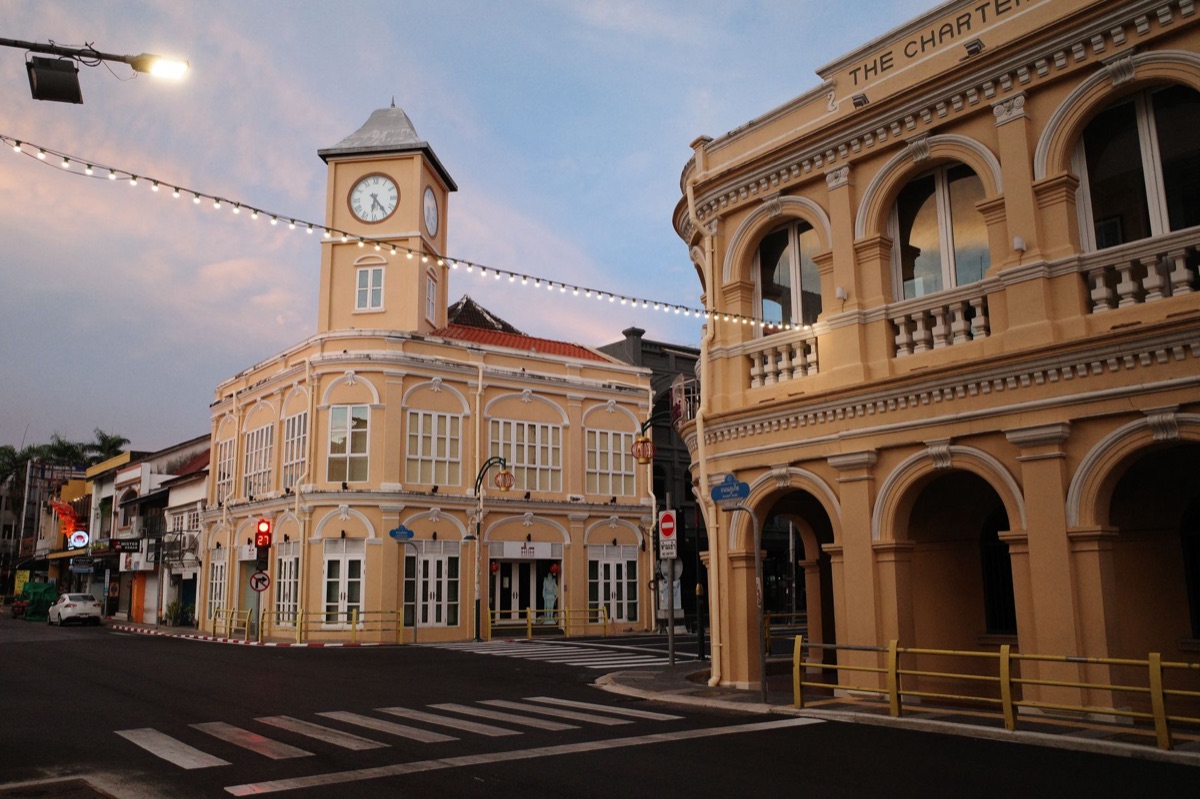
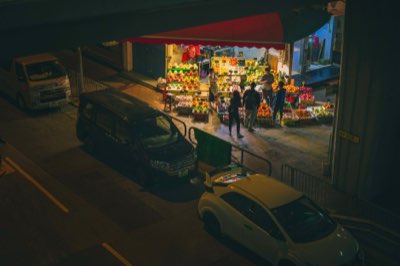
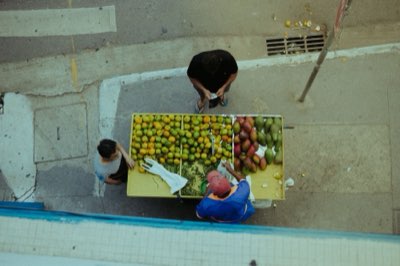
How do I navigate local markets and commerce? The smell of fermented shrimp paste and fresh lemongrass hits you before you even enter the market gates. At 7:00 AM, the air is thick with humidity and the rhythmic sound of cleavers hitting wooden cutting boards.
While tourist-centric night markets are fun, the real pulse of Phuket is found in the morning wet markets. This is where you see the daily rhythm of local life.
To find the most authentic experience, visit these markets in the early morning when local residents are sourcing ingredients for the day's meals.
The food here is a revelation. Southern Thai cuisine is famously spicier and more intense than the food found in Bangkok. Look for dishes like *Gaeng Som* (sour orange curry) or various seafood preparations that utilize local spices you won't find in a standard supermarket.
When interacting with vendors, remember that bargaining is a social dance. It is common in local markets, but it should always be done with a smile and a respectful tone. It is a cultural exchange, not a battle to win.
Instead of looking for mass-produced magnets, look for handcrafted items like local textiles or small wood carvings that tell a story of the region.
But what happens when the seasons change and the traditions take center stage?
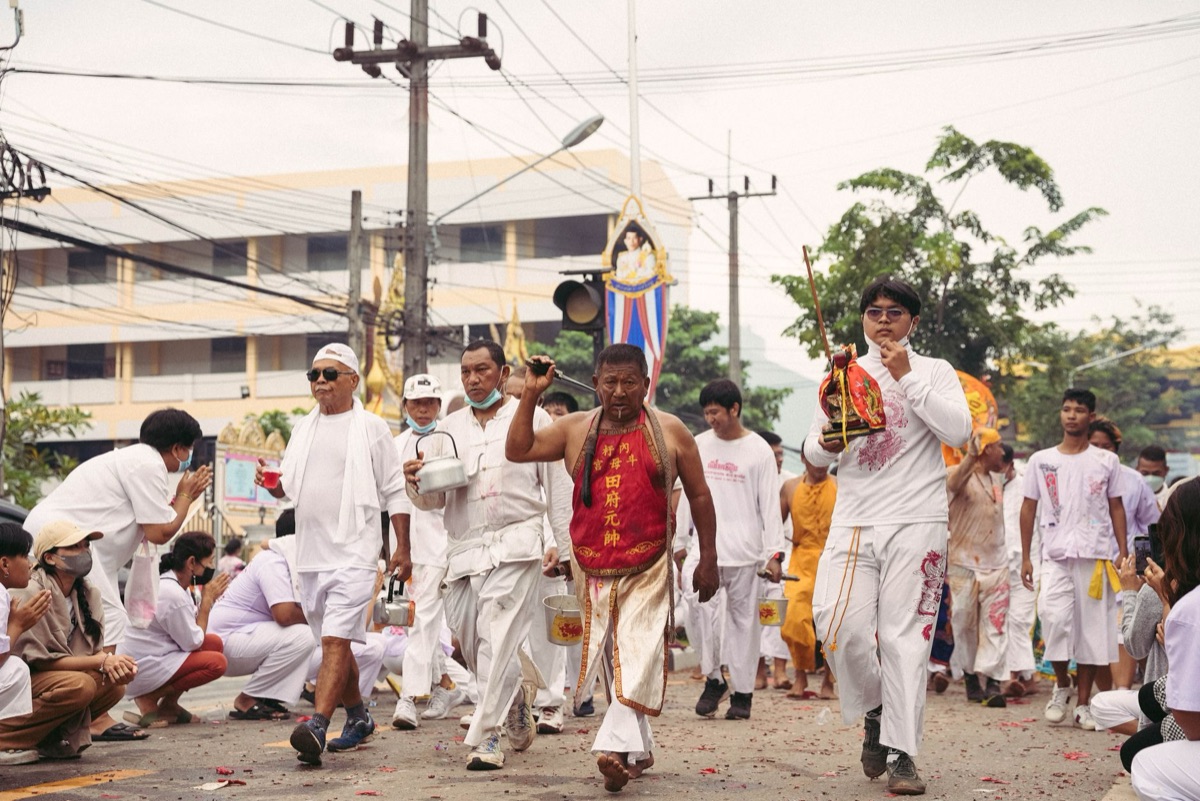
What are the traditions of Songkran and regional rituals? A bucket of water is suddenly tossed, splashing cold water against your skin as a group of locals laughs nearby. It is a moment of pure, unscripted joy that bridges the gap between stranger and friend.
While many associate Songkran—the Thai New Year—solely with massive water fights, its roots are deeply spiritual. It is a time of cleansing, meant to wash away the misfortunes of the previous year and welcome the new one. It is also a period of honoring ancestors and elders.
If you are traveling during this time, you will see the water splashing, but you will also see the quiet side of the tradition. Families visit temples to pour scented water over Buddha statues and elders' hands as a sign of respect.
To experience this authentically without feeling like a mere spectator, observe the rituals with reverence. If you see a local community performing a ceremony, it is often best to observe from a respectful distance.
This connection to the past is what binds the Southern Thai identity together, turning a simple holiday into a profound cultural transition. However, understanding these traditions requires a change in how you travel.
Beyond the Tourist Trail: Making Your Trip Truly Local
The hum of a local engine vibrates through the seat as a colorful songthaew pulls up to the curb. You realize that you aren't just traveling through a place; you are moving through a living, breathing organism.
To make your trip truly local, you must adopt a "slow travel" mindset. Instead of trying to check ten sights off a list in one day, pick one neighborhood and stay there. Spend your morning sitting in a local coffee shop, watching the world go by.
Using local transport is another way to integrate into the rhythm of the island. While private cars are convenient, riding in a *songthaew* (a passenger vehicle with two rows of seats) or taking a local boat can provide perspectives you would miss from a tinted car window.
| Travel Mode | Best For | Cultural Tip |
|---|---|---|
| Walking | Old Town exploration | Wear comfortable shoes for uneven streets |
| Songthaew | Moving between districts | Have small change ready for the driver |
| Long-tail Boat | Coastal/Island access | Negotiate the price before boarding |
But how do you actually put this into practice when you arrive?
How to Plan Your Cultural Immersion
- Research the History: Read a little bit about the tin-mining era before you arrive to appreciate the architecture.
- Pack Lightly: You will be walking a lot in Old Town; leave the heavy luggage behind when exploring.
- Learn Basic Phrases: A simple "Sawatdee" (Hello) or "Khop khun" (Thank you) goes a long way with local vendors.
- Respect the Temples: Always dress modestly when visiting religious sites in the Old Town or surrounding areas.
- Eat Where the Locals Eat: If a small stall has a line of local residents, that is your sign to join them.
#




Comments 0