Siam Niramit Phuket: Guide to Massive Scale & Facilities
"Stepping through the gates of Siam Niramit feels less like entering a theater and more like walking into a sprawling, illuminated kingdom of Thai heritage."
If you are planning a trip to Phuket in 2026, you might find yourself staring at a map of the island, wondering how much space a single cultural attraction can actually occupy.
This guide breaks down the massive footprint and seating capacity of Siam Niramit so you know exactly what to expect before you book your tickets.
* Physical Scale: A massive, multi-zone cultural park that extends far beyond a single building. * Seating Capacity: A grand theater designed to accommodate hundreds of guests simultaneously for large-scale productions. * Primary Experience: An immersive journey through Thai history through massive stage shows, traditional architecture, and themed villages. * Visitor Prep: Expect significant walking and plan for evening timing to fully experience the light and stage productions.
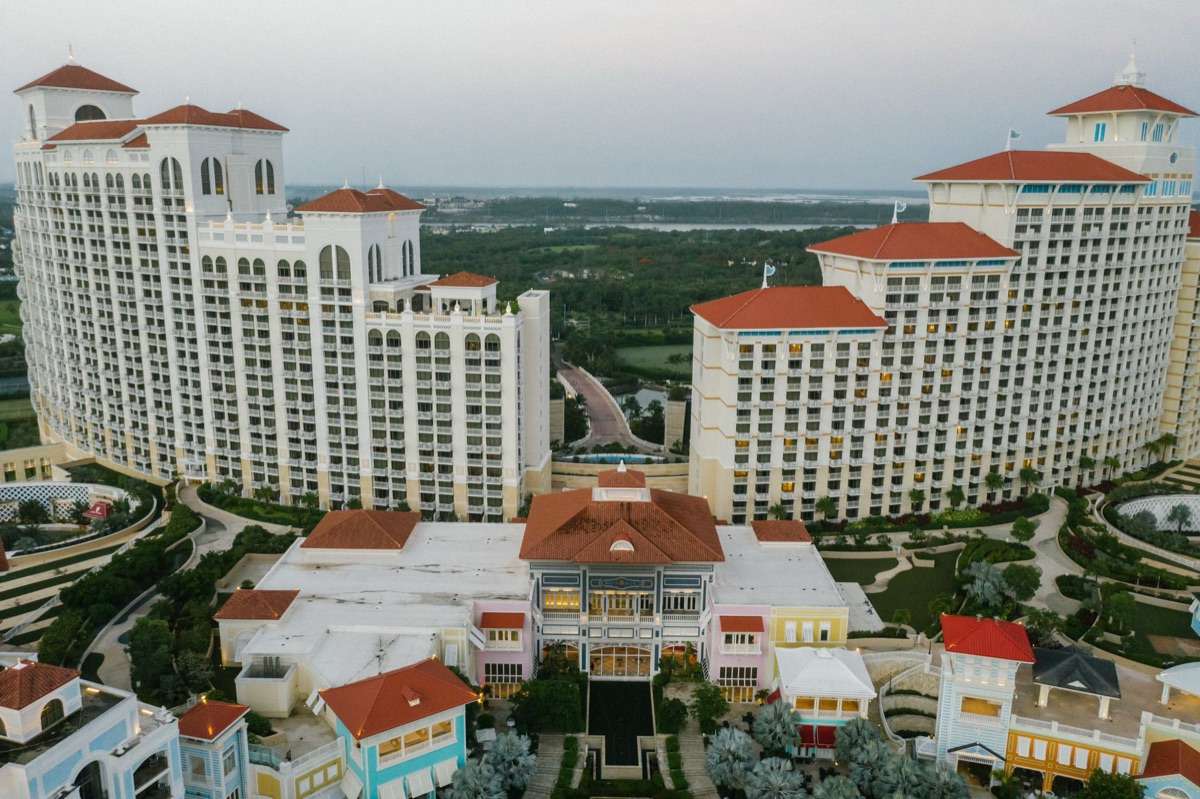
How Vast is Siam Niramit Phuket?
The sun begins to set over the outskirts of Phuket in late 2025, casting long shadows across the paved walkways that lead toward the grand entrance of the park. You realize quickly that this isn't a simple walk from a parking lot to a seat; it is a journey through a curated landscape.
According to World Bank data, Thailand recorded a share of internet users of 90.9% in 2024.
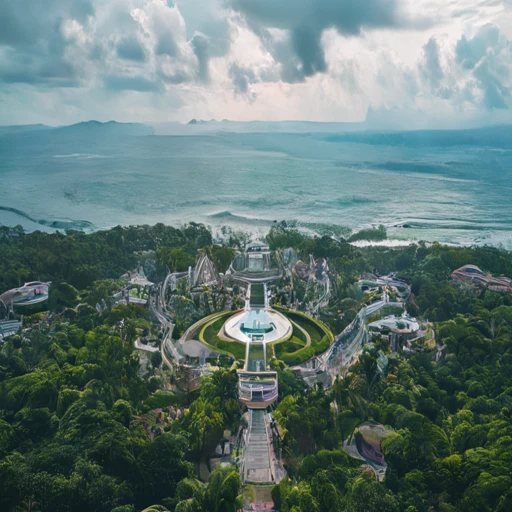
The physical footprint of Siam Niramit is intentionally expansive, designed to function as a cultural theme park rather than a standard auditorium.
The venue encompasses a vast area that includes traditional Thai-style pavilions, landscaped gardens, and various themed villages that represent different eras of Thai history.
This sprawling layout ensures that the transition from the modern world to the historical atmosphere feels seamless and immersive. Because the site is so large, the operational capacity requires a significant staff to manage guest flow between the different zones.
The space is divided into distinct areas: the grand theater for the main performance, the historical villages for exploration, and dining areas that cater to large groups.
This scale allows the venue to host multiple activities simultaneously, making it a destination that can occupy an entire evening of your itinerary.
But how does that massive space translate to your actual seat in the theater?
How many can fit and what's the experience like? The air in the main theater is cool, but the excitement in the room is palpable as the lights begin to dim and the massive stage comes into view. You look around and realize the sheer number of people gathered in this single hall is staggering.
The main theater is built to accommodate a high volume of guests, with a seating capacity designed to handle large tour groups and families all at once. The layout is tiered, ensuring that even with hundreds of spectators, the sightlines to the massive stage remain clear.
The scale of the stage is matched by the scale of the audience, creating a communal atmosphere that is essential for the grand storytelling of the performances.
Seating is typically divided into different tiers to provide various levels of comfort and viewing angles. High-tier or VIP seating usually offers a more centralized, elevated view of the stage, which is crucial for seeing the full choreography of the dancers.
Standard seating is also well-positioned, utilizing the theater's wide-angle design to prevent anyone from feeling disconnected from the action.
The sheer volume of the hall helps contain the sound, making the traditional music and dramatic dialogue hit with significant impact. However, once the curtains close, the experience extends far beyond the velvet seats.
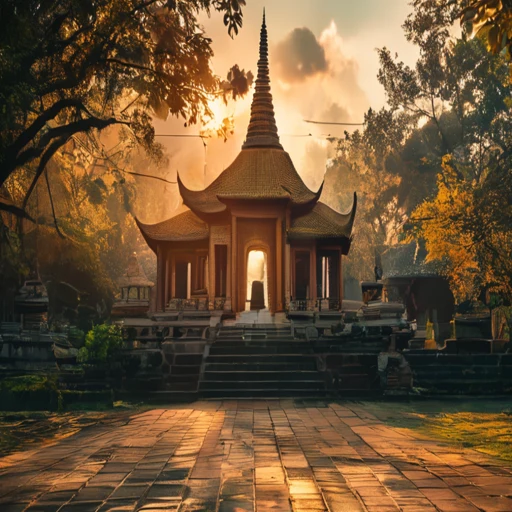
What else is available besides the main hall? Walking away from the theater after a show, you find yourself surrounded by the smell of jasmine and the glow of lanterns in a courtyard that feels like a hidden village. The transition from the high-tech theater to the outdoor amenities is one of the most striking parts of the visit.
The venue is much more than just a theater; it is a full-service hospitality complex. Key amenities include:
* Themed Dining Pavilions: Large-scale restaurants that serve authentic Thai cuisine, allowing guests to eat within the cultural atmosphere. * Cultural Villages: Walking paths that lead through recreations of ancient Thai settlements, offering photo opportunities and historical context. * Souvenir and Craft Markets: Areas dedicated to traditional Thai crafts, perfect for finding authentic keepsakes. * Technical Staging Areas: Behind the scenes, the venue maintains massive backstage facilities to support the complex movements of dozens of performers.
The operational flow is designed to move guests logically from exploration to dining, and finally to the main event. Many visitors arrive in the late afternoon to wander through the villages and enjoy snacks before the evening show begins.
This prevents the theater from becoming overcrowded during the transition and allows the venue to function as a complete evening entertainment package.
But how do you actually navigate this without getting lost or exhausted?

Planning Your Visit: What to Know Before You Go
You stand at the entrance, checking your watch and looking at the map, wondering how much time you should set aside for this massive complex. It is easy to underestimate how much walking is involved until you are actually on the ground.
To make the most of your visit, follow this checklist:
- Timing is Everything: Do not arrive just one hour before the show. Because of the vast size of the park, you should arrive at least two to three hours early to explore the villages and enjoy dinner.
- Wear Comfortable Shoes: The scale of the venue means you will be walking on various surfaces, including paved paths and potentially uneven garden walkways.
- Dress Appropriately: While there is no strict formal dress code, smart-casual attire is best. You want to be comfortable in the tropical heat but also prepared for a somewhat formal theater environment.
- Check the Schedule: Since the venue hosts different seasonal events, always verify the showtimes and specific attraction availability upon arrival.
When I tried this myself during a weekend trip in 2025, I realized that arriving too late meant missing the beautiful transition of the gardens as they lit up at dusk. It is easy to fall into the trap of thinking you can just "show up," but that is a mistake.
Comparing Scale: Is It Right for You?
As you sit on a bench in a quiet corner of the park, watching the distant lights of the theater, you wonder if the grand scale was worth the effort of the journey. For some, the vastness is the draw; for others, it might feel like too much.
The scale of Siam Niramit is perfect for travelers who want a "big" experience. If you are looking for a deep, immersive dive into Thai culture that feels like a grand production, the size of this venue is its greatest strength.
It provides a sense of awe that a smaller, more intimate theater simply could not achieve.
However, if you prefer quiet, small-scale, or highly personal interactions, the sheer size and the large crowds might feel overwhelming. It is not a place for a quick, twenty-minute stop. It is a destination meant for an entire evening of engagement.
| Feature | Small Theater/Museum | Siam Niramit |
|---|---|---|
| Atmosphere | Intimate & Quiet | Grand & Immersive |
| Walking Distance | Minimal | Significant |
| Primary Focus | Single Exhibit/Show | Multi-zone Cultural Park |
| Ideal For | Quick Interest | Full Evening Destination |
For families and large groups, the scale provides enough variety to keep different age groups occupied, making it a versatile choice for the diverse visitor base that frequest Phuket.




Comments 0